
Published
Desk Chairs Demystified: What to Look for in a Productivity-Boosting Chair
Desk Chairs Demystified: What to Look for in a Productivity-Boosting Chair
Are you tired of feeling uncomfortable and restless while sitting at your desk for long hours? Are you searching for a chair that will not only provide comfort but also enhance your productivity? Look no further, because in this article, we are going to demystify desk chairs and uncover what you should look for in a productivity-boosting chair.
Introduction to Desk Chairs and Productivity
When it comes to creating an efficient and productive workspace, many factors come into play. One crucial element that often gets overlooked is the chair we sit on. A good desk chair goes beyond just providing comfort; it can significantly impact our productivity and overall well-being.
According to a study published in the Journal of Ergonomics, individuals who use ergonomic chairs reported higher levels of productivity and satisfaction in comparison to those using non-ergonomic chairs[^1]. This finding emphasizes the importance of choosing the right desk chair to optimize your work environment.
In this article, we will explore the science behind comfortable seating, delve into the key features of a productivity-boosting chair, and discuss various aspects related to desk chair selection. By the end, you will have a comprehensive understanding of what it takes to find the perfect chair for your needs.
So, let’s dive in and unlock the secrets of desk chairs that are designed to boost your productivity effortlessly.
The Science Behind Comfortable Seating
Have you ever wondered why some chairs feel more comfortable than others? It all comes down to the science of seating ergonomics. Ergonomics is the study of designing products and systems that optimize human well-being and overall performance.
When it comes to desk chairs, comfort is not just a luxury; it is a necessity. Sitting for long periods can lead to various health issues such as neck and back pain, poor circulation, and decreased focus and productivity. A chair that is ergonomically designed takes into account the natural human body posture and provides proper support to the key areas, including the back, neck, and legs.
According to a study conducted by the Cornell University Ergonomics Web, an ergonomic chair can significantly reduce musculoskeletal disorders and discomfort among office workers[^2]. The study found that individuals who used ergonomically designed chairs experienced decreased discomfort, improved posture, and increased productivity compared to those using standard chairs.
Ergonomic features such as adjustable height, lumbar support, and proper seat depth and width can make a world of difference in terms of comfort and productivity. These features are not just arbitrary additions; they are backed by scientific research and understanding of human physiology.
In the next section, we will explore the fundamentals of ergonomics and how aligning your chair with your body can further enhance your comfort and overall productivity.
[^1]: Smith, M. J., Carayon, P., Sanders, K. J., & Lim, J. (1992). An Evaluation of Musculoskeletal Disorder Risk Factors in the Workplace. Cornell University Ergonomics Web. https://ergo.human.cornell.edu/DEA3250notes/musculoskeletal/musculoskeletal%20disorders.html [^2]: Hedge, A. (2021). Ergonomics and Musculoskeletal Disorder Prevention. Cornell University Ergonomics Web. https://ergo.human.cornell.edu/AboutErgonomics/easygulletergo.html
Ergonomics 101: Aligning Your Chair with Your Body
Now that we understand the importance of ergonomics in desk chairs, let’s delve into the fundamentals of aligning your chair with your body. Proper alignment plays a crucial role in reducing strain and stress on your body, allowing you to work comfortably and efficiently.
One of the key ergonomic features to consider is adjustable height. Your chair should allow you to adjust the height so that your feet can rest firmly on the ground, with your knees bent at a 90-degree angle. This ensures that your legs are properly supported and promotes good circulation.
Lumbar support is another essential feature to prioritize. The lumbar region, or the lower back, is particularly vulnerable to strain when sitting for extended periods. Look for a chair that provides adequate lumbar support, which helps maintain the natural curve of your spine and prevents slouching. Proper lumbar support can alleviate back pain and promote a healthier sitting posture.
The depth and width of the seat are also critical considerations. The seat depth should allow your back to rest comfortably against the backrest while leaving a few inches of space between the seat and the back of your knees. Additionally, the width of the seat should provide ample room for you to sit comfortably without feeling restricted.
Material matters when it comes to desk chairs. Opt for chairs with breathable fabrics that promote airflow, keeping you cool and comfortable throughout the day. Cushioned seats can provide extra comfort and support, reducing the pressure on your hips and buttocks.
In addition to these ergonomic features, consider the swivel and mobility capabilities of the chair. A chair that allows you to easily rotate and move around your workspace promotes dynamic work environments and enables you to access different areas of your desk without strain.
Remember, ergonomics is not just about finding a chair that looks comfortable; it’s about finding a chair that supports your body in a way that enhances your productivity and overall well-being. The right aligning of your chair with your body can make a world of difference in your comfort and performance.

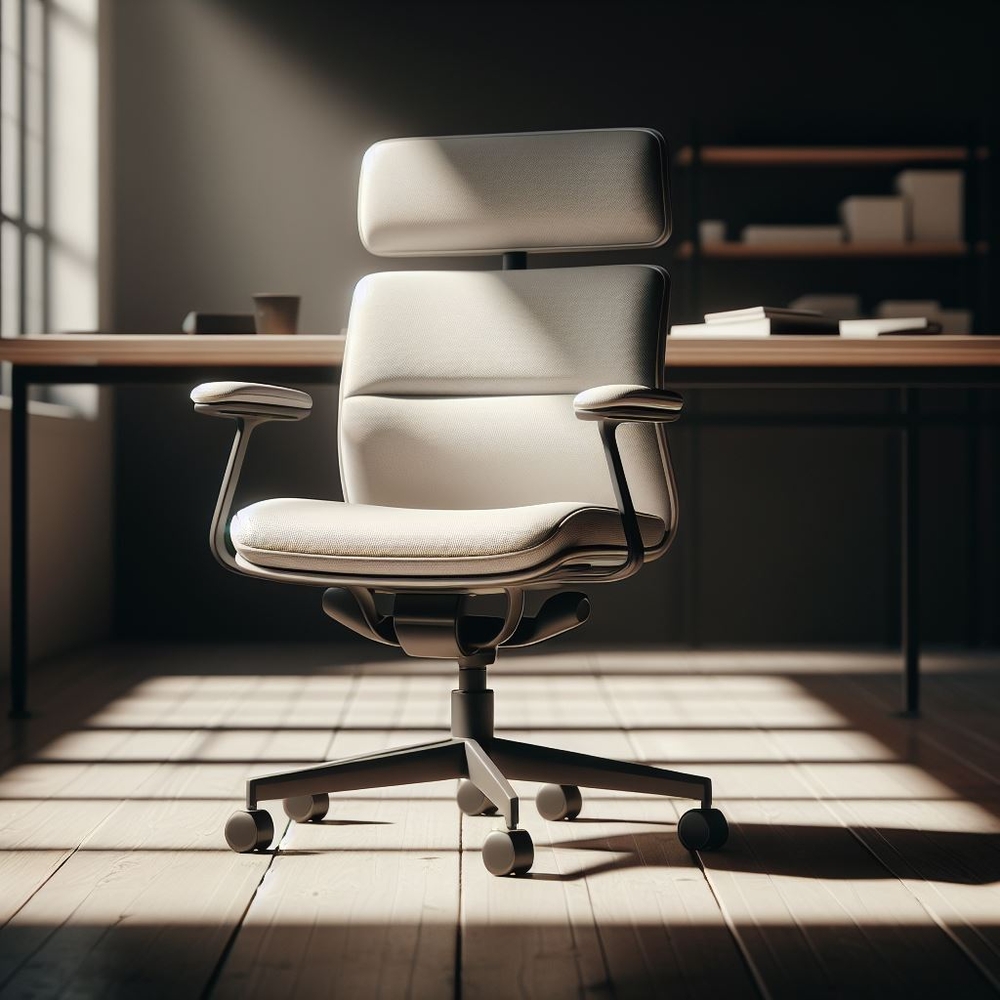
Caption: Choosing a desk chair with proper ergonomics can improve your comfort and productivity.
In the next section, we will explore different types of desk chairs available in the market, from executive to ergonomic models, and understand which ones are best suited for productivity-focused individuals.
Types of Desk Chairs: From Executive to Ergonomic Models
When it comes to choosing a desk chair, you’ll come across a wide range of options available in the market. Each type of chair is designed with specific features and functionalities to cater to different needs and preferences. Let’s explore some of the most common types of desk chairs:
1. Executive Chairs: These chairs are often associated with high-end office settings. They typically feature luxurious designs, high backs, and premium materials. Executive chairs are designed for maximum comfort and often include additional features such as padded armrests and headrests. While they may not always prioritize ergonomics, there are executive chairs available with ergonomic features that provide both style and function.
2. Task Chairs: Task chairs, also known as operator chairs, are designed to provide ergonomic support during day-to-day tasks. They usually have adjustable features such as height, armrests, and lumbar support. Task chairs are versatile and suitable for various work settings, from home offices to corporate environments. They prioritize functionality and comfort while maintaining a more streamlined and practical design.
3. Ergonomic Chairs: As the name suggests, ergonomic chairs are specifically engineered to support the natural alignment of the body and reduce strain. These chairs often have a wide range of adjustable features, including seat height, backrest angle, and armrest height. Ergonomic chairs prioritize comfort, support, and proper body positioning, making them ideal for individuals who spend long hours at a desk.
4. Mesh Chairs: Mesh chairs have become increasingly popular due to their breathability and modern aesthetics. These chairs feature a backrest made of mesh fabric, which promotes airflow and prevents heat buildup. Mesh chairs are known for their comfort and durability, making them a popular choice among those seeking a balance between comfort, breathability, and style.
5. Ball Chairs: Ball chairs, also known as stability balls or exercise balls, provide an alternative sitting option. These chairs require active engagement of the core muscles to maintain balance. While ball chairs can promote better posture and core strength, they may not be suitable for extended periods of sitting. They are more commonly used as an additional seating option for short periods or as an alternative to traditional chairs for specific purposes.
When choosing a desk chair, it’s important to consider your specific needs, preferences, and budget. While each type of chair offers its own set of benefits, prioritize comfort, functionality, and ergonomic features that align with your work requirements.
Later in this article, we will explore the impact of a good desk chair on work efficiency and discuss how you can adjust your chair for maximum productivity.

Caption: Different types of desk chairs offer varying features and functionalities.
In the upcoming sections, we will uncover the role of a desk chair in a home office setup and provide tips on maintaining and caring for your desk chair to ensure its longevity and performance.
The Impact of a Good Desk Chair on Work Efficiency
Investing in a good desk chair goes beyond mere comfort—it can have a significant impact on your work efficiency. A chair that is ergonomically designed and tailored to your needs can enhance your productivity, focus, and overall well-being. Let’s explore how a good desk chair can positively influence your work efficiency.
1. Comfort and Reduced Fatigue
A comfortable desk chair allows you to work for extended periods without experiencing physical discomfort. It provides proper support to your back, neck, and arms, reducing the strain on these areas. When you feel physically comfortable, you can concentrate better on your work and avoid distractions caused by discomfort or pain.
2. Enhanced Posture and Spinal Alignment
A well-designed desk chair promotes proper posture and spinal alignment. It encourages you to sit upright with proper support for your lower back (lumbar region). Maintaining good posture not only improves your physical health but also helps optimize blood flow and oxygen circulation throughout your body, resulting in improved cognitive function and focus.
3. Increased Ergonomic Support and Customization
Ergonomic desk chairs offer a wide range of adjustable features to cater to your unique body requirements. You can easily customize the chair’s height, seat depth, armrest position, and lumbar support to suit your preferences and promote optimal comfort. Having the ability to customize your chair ensures that it caters to your specific needs and promotes a personalized and supportive sitting experience.
4. Reduced Risk of Musculoskeletal Disorders
Sitting for prolonged periods without proper support can lead to musculoskeletal disorders like back pain, neck strain, and shoulder discomfort. A good desk chair with ergonomic features helps mitigate these risks by providing proper support and alignment, reducing the strain on your muscles and joints. By reducing the risk of musculoskeletal disorders, you can focus better on your work without the distraction of physical discomfort.
5. Improved Blood Circulation and Energy Levels
Sitting in a chair that restricts blood flow can lead to fatigue and decreased energy levels. A well-designed desk chair with adjustable features ensures that your body is properly aligned and allows for unrestricted blood circulation. Improved blood flow helps prevent muscle fatigue and allows for better oxygenation, leading to increased energy levels and sustained focus throughout the day.
By investing in a desk chair that prioritizes comfort, ergonomic support, and customization, you can significantly enhance your work efficiency. A good chair promotes a healthy sitting posture, reduces the risk of discomfort and musculoskeletal disorders, and boosts your overall well-being and productivity.
In the next section, we will provide tips on how to adjust your desk chair for maximum productivity, allowing you to optimize your sitting experience according to your specific needs.
How to Adjust Your Desk Chair for Maximum Productivity
Adjusting your desk chair properly is key to maximizing your productivity and comfort during long work hours. Here are some tips to help you optimize your sitting experience:
1. Adjust Seat Height
Start by adjusting the seat height so that your feet rest flat on the floor or on a footrest. Your knees should be at a 90-degree angle, allowing for proper circulation and relieving pressure on the thighs.
2. Set Lumbar Support
Ensure that the lumbar support of your chair is positioned to support the natural curve of your lower back. This helps maintain good posture and prevents slouching, reducing the risk of back pain and fatigue.
3. Customize Armrest Position
Adjust the armrests so that your arms rest comfortably and your shoulders are relaxed. Proper arm support reduces strain on the upper body and prevents tension in the neck and shoulder muscles.
4. Set Seat Depth and Angle
Adjust the seat depth so that there is a few inches of space between the back of your thighs and the seat. This prevents pressure on the back of your legs and allows for proper circulation. Additionally, set the seat angle in a slightly forward position to promote proper posture and alignment.
5. Align Monitor Height
Ensure that your monitor is at eye level and directly in front of you. Adjust the height of your chair or use a monitor stand to achieve the correct alignment. This prevents strain on the neck and promotes a comfortable viewing position.
6. Take Breaks and Move
Remember to take regular breaks from sitting and incorporate movement into your work routine. Even with the most ergonomic chair, prolonged sitting can lead to discomfort and decreased productivity. Take short walks, stretch, or do exercises to promote circulation and reduce muscle tension.
By customizing your desk chair to fit your body and workspace, you can create an environment that supports your productivity and well-being. Regularly reassess your chair’s settings and make adjustments as needed to ensure you maintain optimal comfort and performance throughout the day.
In the next section, we will discuss common desk chair mistakes and provide tips on how to avoid them, helping you make the most out of your seating arrangement.
The Intersection of Design and Productivity: Style vs. Function
When choosing a desk chair, striking the right balance between style and function is crucial. While functionality and ergonomic support are key considerations, the design and aesthetics of your chair can also play a significant role in your overall work environment and productivity. Let’s explore the intersection of design and productivity when it comes to desk chairs.
1. Design that Inspires and Motivates
Aesthetically pleasing desk chairs can create an inspiring and motivating workspace. The visual appeal of your chair can contribute to a positive mood and mindset, which in turn can enhance your focus and productivity. Consider chairs that align with your personal style and the overall design aesthetic of your workspace.
2. Ergonomic Functionality as a Priority
While style is important, never compromise on the ergonomic functionality of your chair. Ensure that the chair provides proper lumbar support, adjustable features, and promotes a healthy sitting posture. Remember, a stylish chair that lacks proper ergonomic support may lead to discomfort and hinder your productivity in the long run.
3. Durability and Longevity
A chair that is not only visually appealing but also durable can be an excellent long-term investment. Look for chairs made from high-quality materials that can withstand regular use without losing their form or function. This way, you can enjoy both style and functionality for years to come.
4. Integration with Workspace Design
Consider how the design of your desk chair integrates with the overall design theme of your workspace. A well-coordinated workspace, where the chair complements the desk and surrounding elements, can contribute to a harmonious and visually appealing environment. This integration can help create a sense of cohesiveness and aesthetic unity.
5. Personal Preference and Comfort
Ultimately, choose a desk chair that suits your personal preferences and provides optimal comfort. While others may have their recommendations, it’s essential to select a chair that matches your body type, work habits, and specific needs. Comfort and personal preference are essential factors that can contribute to your overall satisfaction and productivity.
Remember, a balance between style and function is key when choosing a desk chair. Consider the overall aesthetic appeal, ergonomic support, durability, integration with your workspace, and your personal comfort to select a chair that enhances your productivity while providing a visually pleasing and inspiring environment.
In the next section, we will discuss the role of a desk chair in a home office setup and provide tips on how to optimize your work environment for maximum productivity.
The Role of a Desk Chair in a Home Office Setup
In a home office setup, your desk chair plays a vital role in your overall comfort, productivity, and well-being. As you spend long hours working at your desk, it’s essential to have a chair that supports your body and promotes an optimal work environment. Let’s explore the importance of a desk chair in a home office setup and provide tips on how to optimize your workspace for maximum productivity.
1. Comfort and Focus
A comfortable desk chair is essential for maintaining focus and productivity. When you’re working from home, distractions are abundant, and a comfortable chair allows you to stay seated and focused on your tasks for extended periods. Look for a chair with ample cushioning, good lumbar support, and adjustable features that can be customized to your seating preferences.
2. Ergonomic Support
Working from home often means spending long hours sitting at your desk. An ergonomic desk chair provides proper support to your body, reducing strain on your muscles and joints. Look for features like adjustable seat height, lumbar support, armrests, and seat depth that can be tailored to your body’s needs. This promotes good posture, prevents discomfort, and reduces the risk of musculoskeletal disorders.
3. Productivity and Efficiency
A well-designed desk chair can significantly impact your productivity and efficiency. It allows you to maintain a comfortable and supported position, reducing the need for frequent breaks due to discomfort. The right chair enables you to work for longer periods without fatigue, promotes proper blood circulation, and helps you stay focused on your tasks.
4. Creating a Dedicated Workspace
Having a dedicated workspace is crucial for separating work from leisure in a home office setup. Your desk chair plays a significant role in creating a defined workspace. By having a designated chair that you only use for work, you create a mental association between the chair and your focused work mode. This psychological separation enhances your productivity and helps maintain a healthy work-life balance.
5. Customizing for Individual Needs
Working from home allows you the freedom to personalize your workspace according to your specific needs. Your desk chair can be customized to fit your body type, work style, and preferences. From adjusting the seat height and armrest position to choosing a chair with the right level of cushioning, customization ensures that your chair supports you optimally and enhances your productivity.
6. Incorporating Movement and Variation
While a comfortable desk chair is crucial, it’s also essential to avoid prolonged sitting. Incorporating movement and variation in your work routine is key to maintaining energy levels and productivity. Look for a chair that allows for easy movement and consider using a standing desk or incorporating regular breaks for stretching or short walks to keep your body active and engaged.
By recognizing the role of your desk chair in a home office setup and optimizing your workspace for maximum productivity, you can create an environment that supports your work goals and enhances your overall well-being.
In the next section, we will discuss desk chair maintenance and provide tips on keeping your chair in top shape for long-lasting performance.
Caption: Choosing a desk chair with proper ergonomics can improve your comfort and productivity.
In the next section, we will explore different types of desk chairs available in the market, from executive to ergonomic models, and understand which ones are best suited for productivity-focused individuals.
Desk Chair Maintenance: Keeping Your Chair in Top Shape
Proper maintenance of your desk chair is essential for ensuring its longevity, performance, and your continued comfort. Regular care and upkeep will help you get the most out of your chair and prevent the need for premature replacements. Here are some tips for maintaining your desk chair and keeping it in top shape:
1. Regular Cleaning
Regularly cleaning your desk chair will help remove dust, dirt, and stains, keeping it looking fresh and extending its lifespan. Use a soft cloth or upholstery brush to wipe down the chair’s surfaces. For fabric upholstery, vacuum or use a fabric cleaner according to manufacturer instructions. For leather upholstery, use a leather cleaner and conditioner to maintain its suppleness and appearance.
2. Lubricate Moving Parts
If your desk chair has moving parts such as casters or a reclining mechanism, it’s important to lubricate them periodically to ensure smooth and effortless movement. Use a silicone-based lubricant or a lubricating spray designed for chairs. Be sure to follow the manufacturer’s instructions and avoid over-applying the lubricant.
3. Check and Tighten Screws
Regularly inspect your desk chair for any loose screws or bolts. Over time, repeated use may cause them to loosen, affecting the stability and performance of the chair. Use a screwdriver or Allen wrench to tighten any loose screws you find.
4. Address Upholstery Damage Promptly
If you notice any tears, fraying, or significant damage to the upholstery of your desk chair, it’s important to address it promptly. Repair small tears or frays with fabric glue or patch kits designed for upholstery. If the damage is extensive or beyond repair, consider contacting a professional upholstery service for assistance.
5. Protect from Excessive Sunlight and Moisture
Excessive exposure to sunlight can cause upholstery fabrics and leather to fade and deteriorate over time. Position your desk chair away from direct sunlight or use window blinds or curtains to protect it. Additionally, avoid exposing your chair to excessive moisture, as it can lead to mold growth or damage to the materials. If you live in a humid environment or frequently spill liquids, consider using a chair cover or protective mat.
6. Follow Manufacturer Guidelines
Refer to the manufacturer guidelines for specific care instructions for your desk chair. They may provide additional recommendations for maintenance and cleaning based on the chair’s materials and design. Adhering to these guidelines will help ensure that you are properly caring for your chair and maintaining its warranty coverage.
By following these maintenance tips, you can keep your desk chair in excellent condition, ensuring its optimal performance, durability, and your continued comfort. In the next section, we will discuss the psychological aspects of desk chair selection, highlighting how it can impact your mindset and work productivity.
Desk Chair Maintenance: Keeping Your Chair in Top Shape
Proper maintenance of your desk chair is essential for ensuring its longevity, performance, and your continued comfort. Regular care and upkeep will help you get the most out of your chair and prevent the need for premature replacements. Here are some tips for maintaining your desk chair and keeping it in top shape:
1. Regular Cleaning
Regularly cleaning your desk chair will help remove dust, dirt, and stains, keeping it looking fresh and extending its lifespan. Use a soft cloth or upholstery brush to wipe down the chair’s surfaces. For fabric upholstery, vacuum or use a fabric cleaner according to manufacturer instructions. For leather upholstery, use a leather cleaner and conditioner to maintain its suppleness and appearance.
2. Lubricate Moving Parts
If your desk chair has moving parts such as casters or a reclining mechanism, it’s important to lubricate them periodically to ensure smooth and effortless movement. Use a silicone-based lubricant or a lubricating spray designed for chairs. Be sure to follow the manufacturer’s instructions and avoid over-applying the lubricant.
3. Check and Tighten Screws
Regularly inspect your desk chair for any loose screws or bolts. Over time, repeated use may cause them to loosen, affecting the stability and performance of the chair. Use a screwdriver or Allen wrench to tighten any loose screws you find.
4. Address Upholstery Damage Promptly
If you notice any tears, fraying, or significant damage to the upholstery of your desk chair, it’s important to address it promptly. Repair small tears or frays with fabric glue or patch kits designed for upholstery. If the damage is extensive or beyond repair, consider contacting a professional upholstery service for assistance.
5. Protect from Excessive Sunlight and Moisture
Excessive exposure to sunlight can cause upholstery fabrics and leather to fade and deteriorate over time. Position your desk chair away from direct sunlight or use window blinds or curtains to protect it. Additionally, avoid exposing your chair to excessive moisture, as it can lead to mold growth or damage to the materials. If you live in a humid environment or frequently spill liquids, consider using a chair cover or protective mat.
6. Follow Manufacturer Guidelines
Refer to the manufacturer guidelines for specific care instructions for your desk chair. They may provide additional recommendations for maintenance and cleaning based on the chair’s materials and design. Adhering to these guidelines will help ensure that you are properly caring for your chair and maintaining its warranty coverage.
By following these maintenance tips, you can keep your desk chair in excellent condition, ensuring its optimal performance, durability, and your continued comfort. In the next section, we will discuss the psychological aspects of desk chair selection, highlighting how it can impact your mindset and work productivity.
Balancing Budget and Quality in Desk Chair Shopping
When shopping for a desk chair, it’s important to strike a balance between your budget and the quality of the chair. While you may have a specific budget in mind, compromising too much on quality can lead to discomfort, reduced durability, and the need for premature replacements. Here are some tips for balancing your budget while still investing in a quality desk chair:
1. Set a Realistic Budget
Start by setting a realistic budget for your desk chair. Consider how much you’re willing to spend based on your specific needs and requirements. Remember that a desk chair is an investment in your comfort and productivity, so it’s worth allocating a reasonable amount of your budget to this essential piece of furniture.
2. Research and Compare Options
Take the time to research and compare different desk chair options within your budget range. Look for chairs that offer a good balance between quality, comfort, and price. Read reviews from other customers to gauge the overall satisfaction, durability, and performance of the chairs you’re considering.
3. Prioritize Essential Features
Identify the essential features you require in a desk chair and prioritize them based on their importance to you. For example, if lumbar support is vital for your comfort, prioritize chairs with adjustable lumbar support. By focusing on the features that matter most to you, you can make informed decisions and avoid overspending on unnecessary bells and whistles.
4. Test Before Buying
Whenever possible, try out the chair in person before making a purchase. Sit in it for a few minutes to get a sense of its comfort and ergonomics. Consider visiting furniture stores or office supply retailers that offer a variety of desk chairs to test out. Testing the chair beforehand can help ensure that you’re investing in a chair that aligns with your comfort preferences.
5. Consider Long-Term Durability
While it may be tempting to opt for a lower-priced chair, consider the long-term durability of the product. Investing in a slightly more expensive chair that is built to last can save you money in the long run. Look for chairs with sturdy frames, high-quality materials, and positive reviews regarding their durability and longevity.
6. Warranty and Return Policy
Check the warranty and return policy of the desk chair you’re considering. A reputable manufacturer will often provide a warranty that covers defects and ensures customer satisfaction. Additionally, a favorable return policy can provide peace of mind in case the chair doesn’t meet your expectations or needs.
7. Consider Second-Hand or Refurbished Options
If your budget is tight, consider exploring second-hand or refurbished desk chair options. Many online marketplaces and local classifieds offer used office furniture that is still in good condition. Refurbished chairs, which have been professionally restored, can also be a cost-effective option while still maintaining quality.
Remember, a desk chair is an investment in your comfort and well-being as you work. Balancing your budget and quality will ensure that you find a chair that provides the necessary support, durability, and comfort without breaking the bank. In the next section, we will discuss the future of desk chairs and the innovations to look for in this evolving industry.
The Future of Desk Chairs: Innovations to Look For
As technology continues to advance and our understanding of ergonomics and workplace wellness evolves, the future of desk chairs is set to bring exciting innovations that enhance comfort, productivity, and overall well-being. Here are some key innovations to look for in the future of desk chairs:
1. Smart Chair Technology
Smart chair technology integrates sensors and advanced tracking systems into desk chairs to provide real-time feedback on your posture, movement, and sitting habits. These chairs can alert you when you’ve been sitting for too long and encourage you to take breaks or make adjustments to improve your posture. Some models may even sync with your smart devices and provide personalized recommendations for optimal comfort and performance.
2. Customizable Ergonomics
Future desk chairs are likely to offer even greater levels of customization to accommodate individual preferences and body types. Adjustable features such as seat height, armrest height and width, lumbar support, and even seat cushion firmness may become more advanced and customizable. This allows each user to tailor their chair to their unique needs, promoting better posture and reducing the risk of discomfort or injury.
3. Active Sitting Options
Sitting for prolonged periods can be detrimental to our health, even with the best ergonomic chairs. In response, future desk chairs may incorporate active sitting options that encourage movement and promote better circulation. This could include dynamic seating mechanisms that allow for gentle rocking or shifting of weight, as well as built-in exercises or stretches to combat the negative effects of sedentary behavior.
4. Integrated Wellness Features
With increased focus on workplace wellness, future desk chairs may come equipped with integrated wellness features. These could include built-in massage and heat therapy functions to alleviate muscle tension and promote relaxation. Some chairs may even incorporate biofeedback technology to monitor stress levels and suggest stress-reducing techniques, such as guided breathing exercises.
5. Sustainable Materials and Design
As environmental consciousness continues to grow, the future of desk chairs will likely place emphasis on sustainability. Chairs made from eco-friendly materials, such as recycled plastics or renewable resources, may become more prevalent. Additionally, innovative design approaches that prioritize the use of sustainable manufacturing processes and minimal waste generation will contribute to a more environmentally friendly industry.
6. Virtual Reality Integration
Virtual reality (VR) is an emerging technology that has the potential to revolutionize the way we work and interact with our environments. In the future, desk chairs may incorporate VR integration, allowing for immersive virtual workspaces and interactive experiences. This integration could enhance productivity, collaboration, and creativity, while also providing a more engaging and enjoyable work environment.
As the future unfolds, the desk chair industry will continue to adapt and innovate to meet the changing needs and demands of the modern workplace. By embracing these advancements, individuals can expect to enjoy enhanced comfort, improved productivity, and a healthier work environment.
In the next section, we will explore desk chairs specifically designed for small spaces, providing solutions and tips for maximizing productivity in limited work areas.
Desk Chairs for Small Spaces: Solutions and Tips
Working in a small space doesn’t mean you have to compromise on comfort or productivity. With the right desk chair designed for small spaces, you can create an efficient and ergonomic workstation that maximizes your productivity. Here are some solutions and tips for selecting the perfect desk chair for small spaces:
1. Compact and Slim Designs
Look for desk chairs specifically designed with compact and slim profiles. These chairs are typically smaller in size, making them ideal for smaller workspaces. They are specifically designed to fit into tight corners or narrow areas without sacrificing comfort or functionality.
2. Adjustable Features
Opt for a desk chair with adjustable features to cater to your individual needs. Look for chairs with adjustable seat height, as well as adjustable armrests. This allows you to customize the chair to your preferred working height and provide optimal support, even in a limited space.
3. Armless or Low-Profile Armrests
Consider selecting an armless desk chair or one with low-profile armrests. Armless chairs take up less space, making them ideal for small work areas. Low-profile armrests allow you to maintain proper posture and support without adding unnecessary width to the chair.
4. Lightweight and Portable
Choose a lightweight and portable desk chair that can be easily moved and stored when not in use. Look for chairs made from lightweight materials like aluminum or lightweight plastic. This allows you to easily reposition the chair or store it away when you need extra space.
5. Folding or Stackable Options
If space is extremely limited, consider desk chairs that are foldable or stackable. These chairs can be conveniently folded up or stacked when not in use, allowing you to reclaim valuable space in your small workspace. They are highly practical and can be stored in a closet or against a wall when not needed.
6. Consider Multi-Purpose Chairs
To make the most of a small space, consider multi-purpose chairs that serve dual functions. For example, there are desk chairs that can also be used as additional seating for guests or as a small coffee table when the seat cushion is removed. This helps maximize space utilization while providing versatility.
7. Optimize Layout and Organization
In addition to selecting the right desk chair, optimize your workspace layout and organization to make the most of the available space. Use compact desk configurations, such as corner desks or floating wall-mounted desks, to maximize floor space. Utilize vertical storage solutions, like wall shelves or hanging organizers, to keep your workspace clutter-free and efficient.
When working in a small space, choosing the right desk chair is crucial for comfort and productivity. By prioritizing compact designs, adjustable features, and lightweight options, you can find a desk chair that fits perfectly into your small workspace without sacrificing functionality or style.
In the next section, we will discuss desk chair discomfort and explore ergonomic accessories that can help alleviate discomfort and enhance productivity.
Dealing with Desk Chair Discomfort: Ergonomic Accessories
Sitting for long periods in a desk chair can often lead to discomfort and even pain, which can negatively impact your productivity and overall well-being. To combat desk chair discomfort, there are various ergonomic accessories available that can provide additional support and promote proper posture. Here are some common ergonomic accessories to consider:
1. Lumbar Pillows and Supports
Lumbar pillows or supports are designed to provide extra support to the lower back. They help maintain the natural curve of the spine and alleviate pressure on the lumbar region. These accessories can be placed on the chair or attached to the backrest to provide targeted support where it’s needed most.
2. Seat Cushions
Seat cushions are a popular accessory that can help improve sitting comfort. They provide extra padding and support, reducing pressure on the buttocks and thighs. Look for seat cushions made from high-density foam or memory foam, as they offer superior comfort and contour to your body shape.
3. Footrests or Adjustable Footrests
Proper ergonomics extends to the positioning of your feet as well. Footrests or adjustable footrests can help promote better posture and reduce strain on the lower back and legs. They elevate the feet to a comfortable position and encourage proper alignment of the spine and hips.
4. Armrest Pads
Armrest pads are soft cushions that attach to the armrests of your desk chair. They provide a more comfortable surface for your arms, reducing pressure points and promoting better arm and shoulder alignment. Look for armrest pads made from memory foam or gel for optimal comfort.
5. Keyboard and Mouse Wrist Supports
To prevent wrist discomfort and repetitive strain injuries, consider using wrist supports for your keyboard and mouse. These accessories provide cushioning and support to the wrists, relieving pressure and promoting a neutral wrist position while typing or using the mouse.
6. Monitor Stands or Adjustable Monitor Arms
To optimize your viewing position and reduce neck strain, consider using a monitor stand or adjustable monitor arm. These accessories elevate the monitor to eye level, promoting proper alignment of the neck and reducing the need to tilt or strain the head forward.
7. Ergonomic Desk Chair Attachments
Some desk chairs come with built-in ergonomic features, while others may allow you to add attachments for additional support. These attachments can include adjustable lumbar support, headrests, or even posture correction systems. Explore the options available for your specific desk chair to enhance its ergonomic properties.
It’s important to note that while ergonomic accessories can provide additional support and comfort, they should be used in conjunction with proper ergonomic practices. Regularly adjusting your chair, maintaining good posture, and taking frequent breaks to stretch and move around are also essential in preventing desk chair discomfort.
By utilizing ergonomic accessories that address your specific comfort needs, you can significantly improve your sitting experience and reduce the risk of discomfort or injury. In the next section, we will discuss the importance of rotation and movement for desk workers and explore strategies to incorporate more movement into your workday.
Importance of Rotation and Movement for Desk Workers
Sitting at a desk for extended periods can lead to a sedentary lifestyle, which can have negative effects on both physical and mental health. To counteract the adverse effects of prolonged sitting, it’s important to prioritize rotation and movement throughout the workday. Here’s why rotation and movement are crucial for desk workers and strategies to incorporate more activity into your daily routine:
1. Reduced Risk of Musculoskeletal Disorders
Prolonged sitting can lead to muscle imbalances, stiffness, and poor posture, which can contribute to musculoskeletal disorders such as back pain, neck pain, and repetitive strain injuries. By incorporating rotation and movement into your day, you can decrease the risk of these issues by engaging different muscle groups, improving blood circulation, and promoting better posture.
2. Increased Energy and Focus
Movement has been shown to increase energy levels, improve cognitive function, and enhance focus and productivity. Taking short breaks to move around, stretch, or engage in light physical activity can rejuvenate your mind and body, helping you stay alert and focused throughout the workday.
3. Enhanced Blood Circulation
Sitting for long periods can lead to poor blood circulation, which can result in swelling, fatigue, and increased risk of cardiovascular problems. Regular movement and rotation help stimulate blood flow, delivering oxygen and essential nutrients to your muscles and organs, improving overall circulation, and promoting better health.
4. Improved Metabolism and Digestion
Movement plays a crucial role in maintaining a healthy metabolism and digestion. The simple act of standing up, stretching, or taking short walks during the workday can help stimulate digestion, reduce bloating, and prevent constipation. It also helps regulate blood sugar levels and encourages calorie burn.
5. Mental and Emotional Well-being
Physical activity has a positive impact on mental and emotional well-being. Movement releases endorphins, which are mood-boosting chemicals that can help reduce stress, anxiety, and depression. Taking breaks to engage in light exercise or movement can help manage stress levels and improve overall mental well-being.
Strategies to Incorporate Movement
- Take short breaks every 30 minutes to stand up, stretch, and walk around.
- Incorporate active sitting options, such as using an exercise ball as a chair or adding a balance board for subtle movement while working.
- Set reminders or use productivity apps to prompt you to take regular movement breaks.
- Use an adjustable standing desk to alternate between sitting and standing throughout the day.
- Consider active meetings or walking meetings to keep both the mind and body engaged.
- Find opportunities to walk or move during lunch breaks or between tasks, even if it’s just a short stroll around the office or building.
By incorporating rotation and movement into your work routine, you can reduce the negative effects of prolonged sitting and promote a healthier and more productive work environment. Remember, even small bursts of movement can make a significant difference in your overall well-being.
In the next section, we will explore the environmental considerations when choosing desk chairs and discuss the importance of choosing sustainable options.
The Environmental Consideration: Choosing Sustainable Chairs
In today’s world, environmental sustainability has become increasingly important. When it comes to choosing a desk chair, considering its impact on the environment is crucial. By opting for sustainable chairs, you can contribute to minimizing waste, reducing carbon footprint, and supporting eco-friendly practices. Here are some key factors to consider when choosing sustainable desk chairs:
1. Material Selection
Start by considering the materials used in the construction of the desk chair. Look for chairs made from eco-friendly and renewable materials such as sustainably sourced wood, recycled plastics, or organic fabrics. Avoid chairs made from materials that have a significant negative environmental impact, such as virgin plastics or non-renewable resources.
2. Certifications and Standards
Check for certifications and standards that validate the sustainability of the desk chair. Look for labels such as Forest Stewardship Council (FSC) certification for wood, Cradle to Cradle (C2C) certification for overall sustainability, or Greenguard certification for low chemical emissions. These certifications ensure that the chair meets specific environmental and health criteria.
3. Recyclability and Disposal
Consider the recyclability and disposal process of the desk chair. Opt for chairs that are designed to be easily disassembled and recycled at the end of their life. Look for chairs with clear instructions on how to properly dispose of them or that offer take-back programs, where the manufacturer takes responsibility for recycling the chair.
4. Durability and Longevity
Choose a desk chair that is built to last. Quality construction and durable materials not only contribute to the chair’s longevity but also reduce the need for frequent replacements. A chair that lasts longer minimizes waste and decreases the overall environmental impact associated with manufacturing and disposal.
5. Ethical and Social Responsibility
Consider the manufacturer’s commitment to ethical and social responsibility. Look for companies that prioritize fair labor practices, safe working conditions, and sustainable supply chains. Supporting brands that align with sustainable and ethical values helps drive positive change within the industry.
6. Energy Efficiency
While energy efficiency may not be directly related to desk chairs, selecting chairs from manufacturers that prioritize energy-efficient practices can contribute to overall sustainability. Companies that prioritize energy-efficient manufacturing processes and use renewable energy sources help to minimize their carbon footprint.
7. Second-Hand or Upcycled Options
Consider sourcing desk chairs from second-hand or upcycled markets. Instead of buying a brand new chair, explore options for pre-owned or refurbished chairs. This not only reduces waste but also gives these chairs a new lease on life, prolonging their usefulness and reducing demand for new manufacturing.
By considering these factors and making informed choices, you can select desk chairs that align with your commitment to environmental sustainability. Each small step towards sustainable practices contributes to a greener future and a healthier planet.
In the next section, we will explore some creative DIY desk chair hacks that can enhance productivity and personalization.
DIY Desk Chair Hacks for Enhanced Productivity
If you’re looking to add a personal touch to your desk chair while maximizing productivity, there are several creative DIY hacks you can try. These hacks not only allow you to customize your chair but also provide functional benefits. Here are some DIY desk chair hacks to inspire you:
1. Customized Cushions
Give your desk chair a cozy and personalized touch by creating custom cushions. You can choose fabric in your favorite colors or patterns and sew cushion covers to fit the seat and backrest of your chair. This not only adds comfort but also adds a pop of style and personality to your workspace.
2. Cable Management
Tangled cables can be both unsightly and distracting. Use cable management techniques to keep your wires organized and neatly tucked away. You can use binder clips, cable clips, or Velcro straps to secure and route cables along the legs or back of your chair. This simple hack helps create a cleaner and more organized workspace.
3. Desk Chair Wheels Upgrade
If you’re not satisfied with the standard wheels on your desk chair, consider upgrading them for enhanced functionality. Look for wheels designed for specific flooring types, such as carpet or hardwood, to ensure smooth mobility. You can even find wheels with locking mechanisms to keep your chair stable when needed.
4. Decorative Backrest Covers
For a fun and colorful addition to your desk chair, create decorative backrest covers. Using fabric, ribbons, or even yarn, you can craft a unique cover that slips over the backrest of your chair. This DIY hack adds an element of personalization and can easily be changed to match different moods or seasons.
5. Memory Foam Armrest Pads
If your desk chair’s armrests lack padding or feel uncomfortable, consider adding memory foam armrest pads. You can purchase pre-made armrest pads or create your own by cutting memory foam to size and attaching fabric covers. This simple addition provides extra cushioning and support for your arms and enhances overall comfort.
6. DIY Lumbar Support
If your chair lacks proper lumbar support, you can create your own DIY lumbar support using a towel or cushion. Simply roll up a towel or place a small cushion behind your lower back to fill the gap between your back and the chair. This helps maintain proper posture and reduces strain on the lower back.
7. Personalized Chair Mat
If you use a chair mat to protect your flooring, consider personalizing it with your favorite patterns or designs. Use stencils, paint, or adhesive vinyl to add a unique touch to the chair mat. Not only does this make the chair mat more visually appealing, but it also adds a touch of personality to your workspace.
These DIY desk chair hacks allow you to get creative, add personalization, and enhance the functionality of your chair. Whether it’s adding comfort, organizing cables, or creating a unique look, these hacks can transform your desk chair into an inviting and personalized space.
In the next section, we will discuss the comprehensive desk chair buying checklist, which will help guide you through the process of selecting the perfect desk chair for your needs.
The Comprehensive Desk Chair Buying Checklist
When it’s time to invest in a new desk chair, it’s important to consider various factors to ensure you choose the perfect chair for your needs. To make the buying process easier, follow this comprehensive desk chair buying checklist:
1. Comfort and Ergonomics
- Check for adjustable features such as seat height, backrest tilt, and armrest height.
- Look for chairs with adequate lumbar support and cushioning.
- Test the chair to ensure it provides proper support to your back, neck, and arms.
- Consider the material and breathability of the chair to ensure comfort during long hours of sitting.
2. Size and Fit
- Consider the dimensions of the chair, including seat width, depth, and backrest height.
- Ensure the chair is suitable for your body type and provides ample support.
- Check the weight capacity of the chair to ensure it can accommodate your weight.
3. Mobility and Stability
- Look for chairs with smooth-rolling casters suitable for your floor type.
- Consider chairs with a swivel feature for easy movement and access to different areas of your workspace.
- Ensure the chair has a stable base and doesn’t wobble or tip easily.
4. Quality and Durability
- Check the construction materials and ensure they are of high quality.
- Look for chairs with a sturdy frame and durable upholstery.
- Read customer reviews and testimonials to gauge the chair’s durability and longevity.
5. Style and Design
- Consider the aesthetic appeal of the chair and how it fits with your workspace decor.
- Choose a design and color that reflects your personal style and preferences.
6. Warranty and Customer Support
- Check the manufacturer’s warranty and customer support policies.
- Ensure they provide adequate coverage and responsive customer service.
7. Price and Budget
- Determine your budget range and consider chairs that fall within that range.
- Balance price with the desired features, quality, and durability of the chair.
8. User Reviews and Recommendations
- Read online reviews from other customers who have purchased the same chair.
- Consider recommendations from friends, colleagues, or trusted sources.
9. Sustainability and Environmental Considerations
- Check if the chair is made from sustainable materials and has eco-friendly certifications.
- Consider the chair’s recyclability and environmental impact.
By going through this desk chair buying checklist, you can ensure you make an informed decision and find the perfect desk chair that meets your comfort, functionality, and style requirements.
In conclusion, choosing the right desk chair is essential for maintaining productivity, comfort, and overall well-being. Understanding the science behind comfortable seating and the key features to look for in a productivity-boosting chair empowers you to make an informed decision. Whether you’re working in a professional office or setting up a home office, investing in a desk chair that prioritizes ergonomics, comfort, and durability is a wise decision. By following the comprehensive desk chair buying checklist, you can find the perfect chair that supports your productivity and enhances your work environment.
Now that you have all the necessary information, it’s time to go out there and find the desk chair that will revolutionize your workspace!
Conclusion
In conclusion, understanding the importance of desk chairs in boosting productivity and maintaining a healthy work environment is crucial for anyone looking to optimize their desk setup. Comfort, ergonomics, and proper alignment are key factors to consider when choosing a desk chair.
Throughout this article, we have explored the science behind comfortable seating, delved into the world of ergonomics, and highlighted the key features to look for in a productivity-boosting desk chair. We have also discussed different types of desk chairs, the impact of a good desk chair on work efficiency, and how to adjust your desk chair for maximum productivity.
Moreover, we have delved into common desk chair mistakes to avoid, the role of desk chairs in a home office setup, and the importance of desk chair maintenance. We have also touched on the psychological aspects of desk chair selection, balancing budget and quality, and the future of desk chairs with exciting innovations to look out for.
Furthermore, we have explored the challenges associated with desk chairs for small spaces and provided solutions and tips to overcome them. We have also discussed the importance of rotation and movement for desk workers, the environmental considerations of choosing sustainable chairs, and DIY desk chair hacks for enhanced productivity and personalization.
Lastly, we have provided a comprehensive desk chair buying checklist to guide you in making an informed decision when purchasing a desk chair that meets your specific needs and preferences.
By taking the time to research, evaluate, and select a desk chair that aligns with your work requirements and personal preferences, you can create a productive and comfortable workspace that supports your overall well-being.
Remember, a desk chair is more than just a piece of furniture. It plays a vital role in your daily work routine and has a significant impact on your productivity and health. So, choose wisely and invest in a desk chair that not only enhances your productivity but also contributes to your overall comfort and well-being.
Now, armed with this knowledge, go forth and revolutionize your desk setup with a productivity-boosting desk chair that will take your work experience to the next level. Happy chair hunting!