
Published
Desk Setup Storage 101: How to Create an Organized Work Environment
Introduction to Desk Setup Storage
An organized desk directly influences your productivity levels, fueling efficiency and clarity throughout your workday. Desk setup storage is not just about having places to stash your stationery. It’s about creating a strategically organized workplace that fosters your ability to focus and perform tasks effectively. With an array of storage options available, enhancing your work environment can be both simple and transformative.
Research has demonstrated the negative impact that clutter can have on our work efficiency and mental state. A study by the Princeton University Neuroscience Institute found that physical clutter in your surroundings competes for your attention, resulting in decreased performance and increased stress. Conversely, an organized desk enables you to find what you need quickly and reduces the cognitive load on your brain, allowing you to concentrate on the tasks that matter.
In the upcoming sections, we’ll navigate through the various facets of desk setup storage. We’ll explore everything from assessing your specific storage needs to choosing the right options, DIY ideas, and maintaining an organized space regularly. For those ready to transform their workspace, this guide is your roadmap to an orderly desk setup that enhances productivity and paves the way for a more successful work routine.
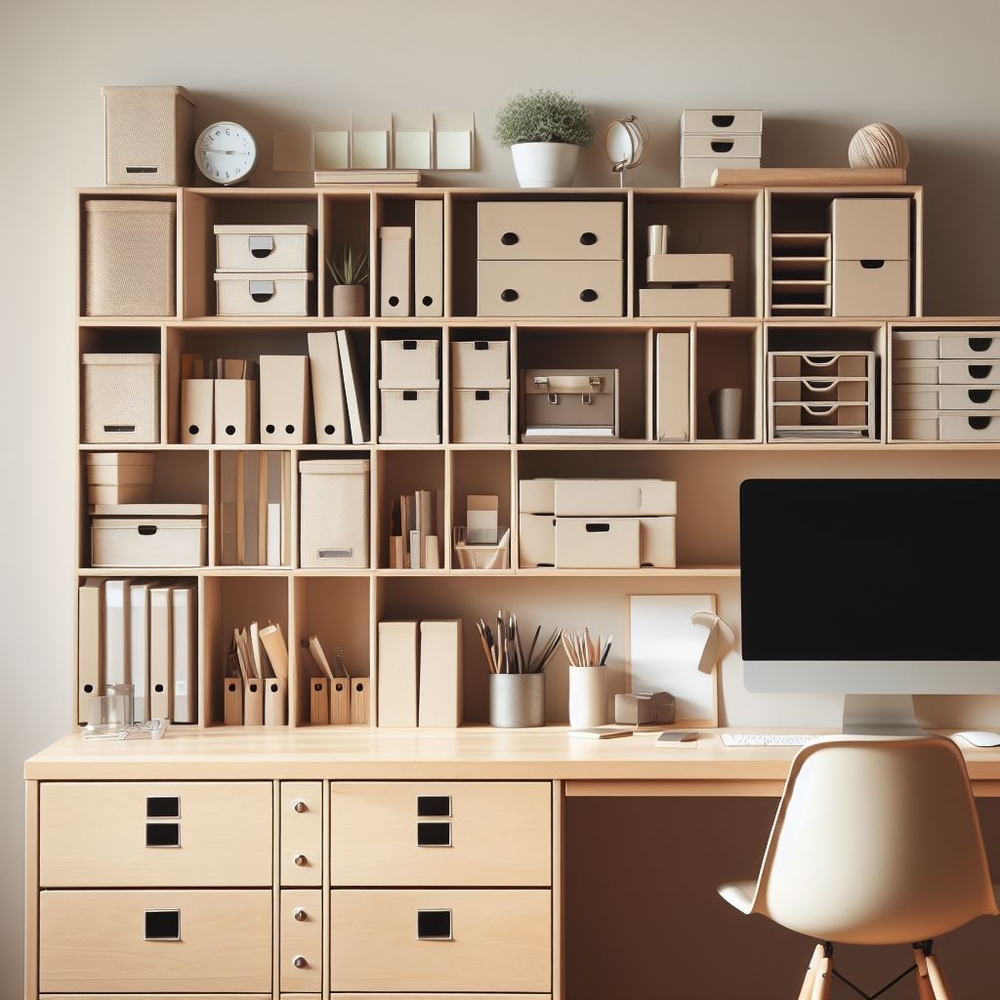
[image:stock] Caption: A neatly organized desk setup showcasing various storage solutions.
Understanding Your Storage Needs
Before you dive into purchasing storage solutions, it’s important to take a step back and evaluate your current desk setup. Begin by assessing the state of your workspace. Look around; do you see piles of papers, scattered pens, and miscellaneous items without a proper place? These are signs that your storage setup may not be meeting your needs.
To identify what needs to be stored, start by making a detailed inventory. Categorize your items into groups such as paperwork, office supplies, tech gadgets, and personal effects. This will give you a clear picture of what requires storage and help you prioritize the organization of these items based on how frequently they are used.
Determining the amount of storage space needed involves more than a rough estimate. Consider not only the items you currently have but also allow room for future additions. However, it’s a delicate balance; too much storage can encourage hoarding, while too little can lead to clutter. Try to find a happy medium that supports growth without becoming overwhelming.
Remember that assessing your storage needs is an ongoing process, as your work and personal items will evolve over time. This section lays the groundwork for making informed decisions on the types and amounts of storage solutions that will make your desk setup functional and efficient.
[image:stock] Caption: An individual evaluating and categorizing desk items as a first step to determining storage needs.
Types of Desk Storage Solutions
A variety of storage solutions exist to cater to the myriad of needs that arise from different desk setups. Let’s explore some of the main types:
Drawers and Cabinets
Drawers and cabinets are the quintessential hideaway for keeping documents, office supplies, and personal items. They range from built-in options that come with many desks to stand-alone units that can be added to your workspace. They are ideal for items that you don’t need to access frequently but want to keep out of sight for a cleaner look.
Shelves and Hutch
Shelves and hutches offer both functionality and display aesthetic. Floating shelves or a hutch attached to your desk can be perfect for books, decorative items, or equipment that you wish to keep at eye level. It’s a great way to make use of vertical space and keep less frequently used items within easy reach.
Desk Organizers and Trays
Desk organizers and trays help keep smaller items tidy on the surface of your desk. These come in all shapes and sizes, catering to different items such as pens, paper clips, or note pads. They’re essential for items that are used regularly throughout the day and need to be accessible.
Wall-mounted Systems
A wall-mounted system is a versatile option that can save desk space while keeping things organized. Pegboards, magnetic boards, or modular panels allow you to customize storage vertically and can be adapted to accommodate changes in your storage needs.
Under-desk Storage
Under-desk storage solutions such as pedestals or storage carts utilize oft-forgotten space. They can be a great choice for items that need to be accessible but don’t necessarily have to be on your desk, like backup stationery or larger art supplies.
Each of these solutions presents a way to declutter your workspace and keep it organized. The key is to match your storage needs with the right type of solution. Combining different types of storage forms can also create a more dynamic and flexible workspace, tailored to your precise working habits and personal style.
[image:illustration] Caption: A diagram illustrating various types of desk storage solutions in a home office setting.
How to Choose the Right Storage for Your Desk Setup
Selecting the appropriate storage solutions for your desk setup requires a blend of practicality and personal preference. Let’s break down the essential considerations:
Considering the Size and Layout of Your Desk
The size and layout of your workspace will largely dictate the kinds of storage options you can incorporate. For a small desk, vertical storage might be the way to go, whereas larger desks might accommodate more drawers or cabinets. Measure your space and visualize where each storage component could fit before making any decisions.
Material and Design Aesthetics
The materials and design of your storage solutions are more than mere practicalities; they contribute to the overall aesthetic of your workspace. Wood, metal, plastic, or a combination thereof can complement or contrast with your desk. Think about whether you want your storage to stand out as a feature or blend seamlessly with the rest of your setup.
Ergonomics and Accessibility
Storage should be easily accessible and contribute to a comfortable workspace. This means considering ergonomics to prevent straining or awkward movements when reaching for stored items. For instance, frequently used items should be at arm’s length, while less used items can be stored further away or even out of immediate reach.
Balancing Cost and Quality
Cost is an inevitable part of the decision-making process. However, it’s important to balance the cost with the quality you require. Sometimes, investing a little more in a durable, well-designed storage solution can save you money and hassle in the long run. Conversely, there are budget-friendly options that don’t sacrifice quality, which can be great for those just starting to build their ideal desk setup.
Keep in mind that the “right” storage is highly individual. Your final choice should support your work habits, fit into your space, and make you feel more productive and less stressed. The perfect storage solutions are those that meet your unique needs while creating a place where you’re happy to work.
[image:stock] Caption: A variety of desk storage solutions displayed in a modern office setting, showing different materials and designs.
DIY Desk Storage Ideas
Taking on a DIY approach to desk storage not only saves money but also allows for custom solutions that perfectly fit your needs and style. Here are some creative ideas:
Upcycling and Repurposing Items
Look around your home for items that can be given a second life as desk storage. An old mug can hold pens; a vintage suitcase can be refurbished into a unique filing cabinet, or a spice rack can become a home for small containers of office supplies. The possibilities are endless, and upcycling adds a touch of personality and sustainability to your desk setup.
Building Your Own Shelves and Organizers
With basic tools and materials, you can construct simple shelves or organizers tailored to your exact dimensions and needs. Online tutorials can guide you through creating custom shelving for books or custom trays and holders for specific tools you use every day. Plus, there’s a certain satisfaction in using something you’ve built with your own hands.
Customizing Storage Solutions
Sometimes the best storage solutions come from tweaking existing items. Using drawer dividers, adding labels, or painting and redesigning a storage box are all ways to customize your storage to fit both your aesthetic preferences and organizational requirements. This level of customization ensures your desk setup is as unique as the work you do on it.
Embracing DIY storage solutions is not only practical but also encourages creativity. It can be a fun project that results in a workspace that is truly your own. Whether you’re a seasoned crafter or just starting out, DIY desk storage projects can be a rewarding way to enhance your work environment.
[image:illustration] Caption: An illustration showcasing a variety of DIY desk storage solutions, including custom shelves and repurposed items.
Maximizing Vertical Space for Storage
Maximizing vertical space is a brilliant strategy, particularly when dealing with smaller desks or home offices with limited square footage. Turning your attention upwards can vastly increase your storage capacity without sacrificing valuable desk space. Consider these options:
Wall Shelves
Wall shelves are a fantastic means of using empty wall space for storage. They come in various lengths, depths, and styles, meaning you can find the perfect shelves to hold anything from hefty textbooks to small decorative objects. Installation can usually be done with just a few screws and a level, making them a convenient and popular choice.
Hanging Organizers
For those who gravitate towards soft storage, hanging organizers such as file holders or pockets attached to the wall or over the door can clear desk clutter and store items at eye level. They are ideal for keeping papers and files neatly sorted and within reach but off the workspace.
Monitor Risers with Storage
A monitor riser can serve a dual purpose of elevating your screen to an ergonomic height while providing space underneath for storage. Some come with built-in drawers or compartments, which are perfect for stashing away small items and freeing up desk space while keeping your monitor at an ideal viewing angle.
By looking above the desk instead of just on it, you can discover a whole new world of storage potential. The key to effectively maximizing vertical storage is ensuring that the items you store up high are used less frequently, since reaching for them might be less convenient. Utilize your vertical space wisely and experience how it transforms the functionality and appearance of your desk setup.
[image:stock] Caption: A home office showcasing the efficient use of vertical space with wall shelves and a monitor riser.
Organizing Cables and Tech Accessories
In our technology-driven world, a common desk challenge is managing the multitude of cables and tech accessories that can easily become a tangling nightmare. An organized approach to cable management and tech accessory storage can keep your desk looking sleek and functioning smoothly.
Cable Management Solutions
Cable management solutions can range from simple cable clips and ties to more comprehensive under-desk trays and channels. These keep power cords, USB cables, and audio wires neatly aligned and out of sight. Investing in cable management can prevent damage to your cords and help maintain a hazard-free workspace.
Storing Chargers, Hard Drives, and Other Tech
Designate a specific place for electronic peripherals. Using drawer organizers or separate containers for chargers, external hard drives, and other tech accessories can protect your gadgets and ensure they’re easy to find. Some desk storage units come with built-in USB ports and compartments designed specifically for tech storage.
Keeping Your Desk Tech-Friendly and Clutter-Free
The goal is to create a space that supports technology use without letting it dominate the landscape of your desk. Simple solutions like a dedicated drawer for tech items or velcro straps to bundle cables together can make a huge difference. You want to ensure that your workspace promotes efficiency and maintains aesthetics, even amidst the necessary tech.
Remember, organizing your cables and tech accessories goes beyond aesthetic considerations; it’s about enhancing the functionality of your workspace. A tech-friendly, clutter-free desk setup is more than achievable with the right storage and organization strategies in place.
[image:stock] Caption: An organized desk with a focus on neat cable management and specifically arranged tech accessories.
Decluttering Your Desk for Optimal Storage
Decluttering isn’t just a one-time task; it’s a continuous process that helps maintain an optimal level of storage and a work-friendly environment. Here are tips to develop a decluttering routine and habits for a tidy desk:
Tips for a Regular Decluttering Routine
Set aside time, whether it’s daily or weekly, to go through your desk and remove unnecessary items. Evaluate what you’re storing and ask yourself if each item is essential to your work. Documents can be scanned and digitally stored, and redundant office supplies can be donated or repurposed.
Storage Habits to Maintain a Tidy Desk
Developing good storage habits is crucial. Adopt the “touch it once” rule: deal with an item the first time you touch it instead of moving it around your desk. Use your designated storage spaces consistently, and don’t let items pile up.
Using Storage to Minimize Distractions
A well-organized desk storage system can greatly reduce distractions. Ensure every item has a “home” and return it immediately after use. This prevents the build-up of clutter and allows you to focus on the task at hand without visual distractions.
By decluttering regularly and reinforcing good storage habits, you can maintain a clean and organized desk that nurtures productivity. Your desk setup storage is an integral part of creating a workspace that feels calm, controlled, and primed for success.
[image:stock] Caption: A before and after image of a desk, highlighting the transformation made through decluttering and organizing.
Integrating Storage into Your Workflow
The true art of mastering desk setup storage lies in integrating it seamlessly into your daily workflow. Effective storage solutions aren’t just about organization; they’re about creating a system that enhances your productivity by aligning with your work habits. Here are ways to make storage an intuitive part of your routine:
Placement of Frequently Used Items
Keep items you use frequently within easy reach. Prioritize prime real estate on your desk for things that support your daily tasks, and use storage solutions that allow for quick and easy access. This could mean having a drawer for your most-used office supplies or a desktop organizer for crucial tools.
Creating Zones for Different Tasks
Designate specific areas on your desk for different types of work, and store related supplies in those areas. For example, have a writing zone with pens and notepads at hand, or a digital zone where chargers and tech accessories are neatly stored. This zoning can help transition between tasks more smoothly and keep your workspace organized.
Streamlining Desk Storage for Efficiency
Examine your current workflow and adjust your storage solutions to eliminate unnecessary steps. If you find yourself consistently having to get up to retrieve items, consider a closer storage solution. Look for ways to streamline and optimize how your storage interacts with your work habits.
By considering these elements, your storage solutions will do more than just store items—they’ll actively contribute to an efficient and enjoyable work experience. Integrating your storage system into your workflow means less time searching for items and more time getting things done.
[image:stock] Caption: A well-integrated desk setup with clearly defined zones and storage catered to streamline the workflow.
Storage Tips for Small Desk Setups
Working with a small desk requires a strategic approach to storage to ensure that every inch of space is utilized effectively. Here are tips to maximize storage in tight spaces:
Multi-functional Storage Items
Choose storage accessories that serve multiple purposes. A desk organizer with a built-in charging station or a file holder that can also support a tablet are examples. Opt for furniture like a small filing cabinet that can double as a printer stand or a stool with storage space inside.
Making the Most of Limited Space
Be inventive with your vertical space—install wall-mounted shelves or use a pegboard above your desk to hang supplies. Also, consider under-desk storage options such as drawers or wire baskets that can be attached to the underside of your desk.
Compact Storage Options
Search for compact versions of storage solutions. Slim rolling carts can fit in tight spaces and be moved around as needed. Stackable trays and containers make the most out of vertical space without sprawling across your work surface.
Remember, small desk setups can still be mightily efficient with the right storage solutions. The key is to be creative and diligent about utilizing space in unconventional ways to maintain a decluttered and functional workspace.
[image:stock] Caption: A small desk setup efficiently organized with smart, compact storage solutions.
Maintaining an Organized Desk with Periodic Reviews
Keeping an organized desk isn’t a set-and-forget process; it requires regular attention and adjustment. Here’s how you can stay on top of your game:
Regularly Reassessing Storage Needs
As tasks and responsibilities shift, so do your storage needs. Allocate time every month or quarter to re-evaluate what’s on your desk and in your drawers. This regular review helps keep superfluous items at bay and ensures your storage setup aligns with your current workflow.
Adjusting Storage Solutions Based on Workflow Changes
Be willing to adapt your storage solutions as changes occur in your work life. A new project might require additional files at arm’s reach, or a shift in your job role could mean needing different tech tools readily available. Flexibility in your storage setup is essential to stay efficient and organized.
The Benefits of a Tidy and Organized Workspace
A clean desk leads to a clear mind. When you maintain an orderly workspace, you’re more likely to feel in control and less stressed. An organized desk can boost your morale and contribute to higher levels of productivity. Plus, it makes a positive impression on colleagues and clients who may see your workspace.
Staying organized is not only about tidying up; it’s about creating a system that evolves with you. Periodic reviews and adjustments to your storage setup ensure you remain productive and calm in your dedicated work area.
[image:stock] Caption: An individual assessing their desk organization, exemplifying the practice of periodic reviews for an optimal workspace.
The Psychology Behind an Organized Desk
An organized desk can have a profound impact on your mindset and productivity. Let’s delve into the psychological benefits of a tidy workspace:
How Organization Affects Your Mindset
Organization can significantly reduce cognitive overload, which in turn helps to streamline thought processes and reduces feelings of anxiety. When items are arranged neatly and predictably, it’s easier for your brain to focus on the task at hand rather than be distracted by disorder.
The Link Between a Clean Desk and Productivity
Studies suggest that a clean desk can lead to enhanced focus, efficiency, and creativity. A survey by OfficeMax found that office clutter undermines productivity and motivation. Having a designated place for everything on your desk means that no time is wasted searching for items, thereby optimizing work performance.
Visual Clutter vs. a Clear Workspace
Visual clutter is more than just an eyesore—it can be a significant barrier to concentration and calmness. An organized desk with well-thought-out storage solutions helps create a sense of order and tranquility, paving the way for a more productive work experience. A clear workspace can help signal your brain that it’s time for focused work, leading to better work habits and outputs.
Understanding the psychology behind an organized desk emphasizes the importance of integrating effective storage solutions into your workspace. Not only does it improve functionality, but it also nurtures well-being and enhances your overall approach to work.
[image:stock] Caption: A minimalist and organized desk setup, illustrating the psychological benefits of a clutter-free workspace.
Case Studies: Successful Desk Setup Storages
Examining real-world examples can inspire and guide us towards optimizing our own desk setups. Here are insights from successful storage implementations:
Examples of Well-organized Desk Setups
A graphic designer transformed their chaotic desk piled high with tools and papers into a clean workspace by incorporating drawers with customizable compartments and a pegboard for hanging frequently used items. This not only cleared the work surface but also cut down the time spent searching for tools.
Lessons Learned from Professional Organizers
A common piece of advice from professional organizers is to keep the desk surface as clear as possible, focusing on vertical and hidden storage solutions. Furthermore, they often suggest that the best storage is easy to use; if it takes too many steps to put something away, it’s less likely to be used consistently.
Before and After Scenarios
In another case study, a software developer’s before-and-after desk makeover showed the dramatic difference that cable management solutions and monitor risers with storage can make. By addressing the pain points of tangled wires and inadequate screen positioning, the after photo showcased a streamlined, clean, and more ergonomic workspace.
These case studies demonstrate that no matter the starting point, there are effective storage strategies for improving any desk scenario. The right blend of storage tactics and a little effort can transform a cluttered desk into a model of efficiency and inspiration.
[image:stock] Caption: A side-by-side comparison of a cluttered desk setup before and a well-organized workspace after implementing successful storage solutions.
Case Studies: Successful Desk Setup Storages
Examining real-world examples can inspire and guide us towards optimizing our own desk setups. Here are insights from successful storage implementations:
Examples of Well-organized Desk Setups
A graphic designer transformed their chaotic desk piled high with tools and papers into a clean workspace by incorporating drawers with customizable compartments and a pegboard for hanging frequently used items. This not only cleared the work surface but also cut down the time spent searching for tools.
Lessons Learned from Professional Organizers
A common piece of advice from professional organizers is to keep the desk surface as clear as possible, focusing on vertical and hidden storage solutions. Furthermore, they often suggest that the best storage is easy to use; if it takes too many steps to put something away, it’s less likely to be used consistently.
Before and After Scenarios
In another case study, a software developer’s before-and-after desk makeover showed the dramatic difference that cable management solutions and monitor risers with storage can make. By addressing the pain points of tangled wires and inadequate screen positioning, the after photo showcased a streamlined, clean, and more ergonomic workspace.
These case studies demonstrate that no matter the starting point, there are effective storage strategies for improving any desk scenario. The right blend of storage tactics and a little effort can transform a cluttered desk into a model of efficiency and inspiration.
[image:stock] Caption: A side-by-side comparison of a cluttered desk setup before and a well-organized workspace after implementing successful storage solutions.
Combining Aesthetics and Functionality in Desk Storage
Finding the right balance between a visually appealing desk setup and one that’s fully functional is key to a satisfying workspace. Here are considerations for achieving this harmony:
Choosing Storage that Complements Your Style
Select storage options that reflect your personal taste and complement your existing desk and office decor. Whether you prefer a minimalist approach, industrial chic, or a more traditional look, there are storage designs available to suit any aesthetic.
Balancing Visual Appeal with Practical Use
A storage solution might look great, but if it doesn’t serve your needs, it won’t be practical. Aim for storage products that are both attractive and functional. Consider the ergonomics of the item, its durability, and how well it can hold and organize your specific belongings.
Desk Setups that Illustrate Effective Storage Design
A desk with a cohesive color scheme and design, coupled with well-chosen storage units, can serve as a powerful example of effective storage design. Browsing through interior design sites or office setup galleries can provide inspiration and illustrate how others have successfully blended form and function in their storage choices.
When your desk storage is both pleasing to the eye and serves its purpose efficiently, it’s likely to bring greater satisfaction and productivity to your daily work routine. With an abundance of designs in the market, creating a workspace where aesthetics and functionality intersect has never been more attainable.
[image:stock] Caption: An elegantly organized desk setup that perfectly integrates aesthetic appeal with functional storage.
Addressing Common Desk Storage Challenges
Even the most thoughtfully designed workspaces can encounter storage challenges. Let’s look at some common issues and creative fixes:
Solutions for Limited Space
When space is at a premium, the key is to go vertical and multi-functional, as previously mentioned. However, another approach is to employ hidden storage solutions, such as cable management boxes that also serve as monitor stands or using space beneath the desk for file storage.
Overcoming the Tendency to Hoard Items
It’s natural to want to hold onto things ‘just in case,’ but this can quickly lead to clutter. Regularly revisiting what you’ve stored to remove items you haven’t used in a while can help combat this tendency. If you’re struggling to let go, consider a “purge box” where you can place doubtful items temporarily; if you don’t reach for them within a set time frame, it’s time for them to go.
Creative Fixes for Odd-shaped Items
Not everything fits neatly into a traditional storage box. For bulky or irregularly shaped items, look for adaptable storage solutions like adjustable shelving or drawer organizers with movable dividers. Custom pillow or cushion covers with pockets can also be a practical and quirky way to store items on window sills or shelves.
Addressing these challenges requires a combination of decluttering, creative thinking, and finding the right storage products that cater to your unique requirements. By doing so, you can create an organized, clutter-free workspace regardless of the obstacles.
[image:stock] Caption: Efficient desk solutions addressing common storage challenges, showcasing creative and practical organization.
Expert Organization Tips and Tricks
When it comes to optimizing your desk setup, there are tried-and-true methods that have been endorsed by organization and productivity experts. Implementing these tips can significantly enhance the efficiency and tidiness of your workspace:
Advice from Productivity Experts
Experts often recommend clearing your desk at the end of each day, making it a habit to start with a clean slate each morning. This ritual can greatly improve your focus and readiness for the day’s work. Additionally, they suggest grouping related tasks and their respective supplies together to streamline your workflow.
Implementing the “One-Touch” Rule
The “one-touch” rule is a powerful tool in maintaining organization. It means that once you touch an item, you should use it, file it, or store it right away instead of moving it from one pile to another. This reduces clutter and makes decision-making about each item more immediate and impactful.
Best Practices in Desk Setup Organization
Other best practices include using clear labeling systems for easy identification of stored items and creating an “inbox” for new items that need to be sorted. Don’t forget to utilize digital tools for reminders and calendar alerts to review and tidy up your storage areas regularly.
By adopting these expert tips, you can refine your storage strategies and establish a desk setup that is both highly functional and systematically organized, promoting a more productive and stress-free environment.
[image:stock] Caption: A neatly organized desk space incorporating expert organization tips and tricks for optimal efficiency.
Storage and Productivity Apps and Tools
In our digital era, physical organization can be complemented by software designed to keep your digital life as tidy as your desk. Explore these apps and tools that can aid in your quest for ultimate desk organization:
Software that Helps with Digital Decluttering
Digital clutter can be just as distracting as physical mess. Applications like CleanMyMac and CCleaner can help keep your computer’s desktop and hard drive free from unnecessary files. Tools like Dropbox or Google Drive can be used to store digital files in the cloud, clearing space on your physical desktop for the essentials.
Apps for Inventory Management of Physical Items
For those with extensive collections of office supplies or equipment, inventory management apps like Sortly or Nest Egg aid in keeping track of what you have and where it’s stored. These apps can help prevent overbuying and make sure everything is at hand when you need it.
Time-saving Tools for Organizing
Consider time management tools like Todoist or Trello to organize your tasks alongside your workspace. Allocating designated times for decluttering and maintenance of your workspace within these apps can ensure it becomes a part of your routine.
In concert with physical storage solutions, these apps and tools can dramatically increase your organizational efficiency. By extending your decluttering efforts to include your digital workspace, you create a comprehensive environment of productivity and calm.
[image:stock] Caption: An organized desk with a tablet displaying productivity apps, exemplifying the integration of digital tools with physical desk organization.
Frequently Asked Questions (FAQ)
As we conclude our comprehensive guide to desk setup storage, let’s address some frequently asked questions that can offer additional insights into optimizing your workspace:
What are the best storage solutions for a small desk?
For small desks, multi-functional and vertical storage solutions work best. Look for under-desk drawers, wall-mounted shelves, and desk organizers that have multiple uses and occupy minimal space. Compact, foldable items are also a plus.
How often should I declutter my desk?
The frequency can vary from person to person, but a good rule of thumb is to declutter your desk at least once a week. This keeps on top of any buildup and ensures your workspace doesn’t become overwhelming.
Can you recommend any budget-friendly storage solutions?
Yes, consider DIY options, like repurposing household items, or look for office supplies at dollar stores or thrift shops. Also, keep an eye out for sales or second-hand deals on office furniture that can provide affordable storage.
What’s the best way to store numerous cables and tech gadgets?
Cable management systems such as trays, clips, and ties are excellent for cables. For gadgets, use drawer dividers or dedicated boxes within a drawer or cabinet. Ensure each item has a specific place to avoid clutter.
How do I create a storage system that’s easy to maintain?
Choose storage solutions that are easy to access and label everything clearly. Adopt the one-touch rule to handle items immediately, and integrate storage as a natural part of your workflow for straightforward maintenance.
With these FAQs in mind, you’re now equipped with the knowledge to enhance your desk setup for peak productivity and organization. Remember, the best storage system is one that caters to your personal needs and working style, evolving as you do.
[image:stock] Caption: A neatly organized desk setup with a label maker and various storage solutions, answering common questions about desk organization.