
Published
Standing Desks 101: What You Need to Know for a Productive Setup
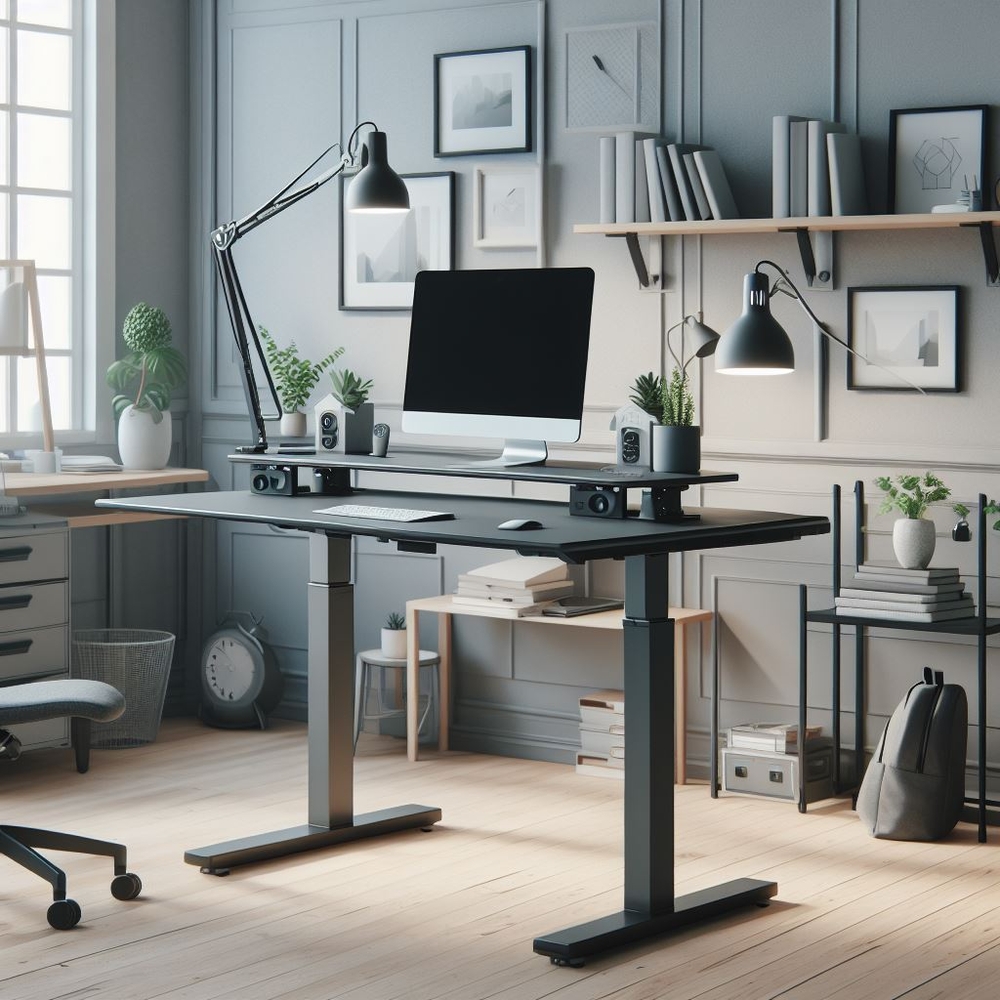
Introduction to Standing Desks
Are you tired of spending long hours hunched over your desk, feeling the strain in your back and neck? If so, it might be time to consider upgrading to a standing desk. Standing desks have gained immense popularity in recent years as a solution to the sedentary lifestyle that many of us have become accustomed to.
In this comprehensive guide, we will explore everything you need to know about standing desks for creating a productive setup. From the health benefits they offer to the different types available in the market, we will cover it all. So, let’s dive in and discover how standing desks can revolutionize your work environment.
Why Standing Desks?
While traditional desks may have served us well for centuries, research has shown that sitting for extended periods can have detrimental effects on our health. In fact, studies suggest that sitting for long hours can increase the risk of obesity, heart disease, and even some types of cancer[^1^].
Standing desks provide a simple yet efficient solution to combat the negative impact of prolonged sitting. By allowing you to work while standing, they promote better posture, increased blood circulation, and improved overall well-being. Moreover, with the ability to switch between standing and sitting positions throughout the day, standing desks offer a more dynamic and engaging workspace.
The Benefits of Using Standing Desks
- Improved Physical Health: Standing desks can help reduce the risk of weight gain, obesity, and related health issues. Standing burns more calories compared to sitting, making it an effective way to maintain a healthy weight[^2^]. Additionally, standing promotes better blood circulation, which can lead to a decrease in the risk of cardiovascular diseases[^3^].
- Enhanced Productivity: Standing desks are known to boost productivity and focus. When standing, you tend to be more alert and engaged, resulting in increased work efficiency[^4^]. Standing desks also help alleviate common issues like backaches and muscle fatigue, allowing you to stay comfortable and focused for longer periods.
- Positive Mental Well-being: Standing while working promotes a sense of energy and vitality. Research suggests that standing desks can improve mood, reduce stress levels, and enhance overall mental well-being[^5^]. By incorporating more movement into your work routine, you can experience a greater sense of satisfaction and motivation in your daily tasks.
- Reduced Risk of Musculoskeletal Disorders: Ergonomics plays a crucial role in maintaining good posture and preventing musculoskeletal disorders. Standing desks encourage better alignment of the spine and reduce the strain on the neck, back, and shoulders[^6^]. This can help alleviate chronic pain caused by long hours of sitting and significantly improve your overall comfort.
In the next section, we will delve deeper into the evolution of standing desks and explore their rich history. Stay tuned to discover how this innovative solution has evolved over time to become an essential part of modern workspaces.
[^1^]: Harvard Health Publishing - The dangers of sitting: Why sitting is the new smoking [^2^]: Mayo Clinic - Stand up for better health [^3^]: Healthline - The Hidden Benefits of Standing Desks Exposed [^4^]: Journal of Physical Activity and Health - The impact of the sit-stand desk on productivity [^5^]: Journal of Occupational and Environmental Medicine - Impact of a Sit-Stand Workstation on Chronic Low Back Pain [^6^]: Mayo Clinic - Desk stretches: 10 simple exercises to relieve stiff muscles
The Evolution of the Standing Desk: A Brief History
The concept of standing while working is not a recent development. In fact, the use of standing desks can be traced back to ancient civilizations. However, it is worth noting that the design and purpose of standing desks have evolved significantly over time. Let’s take a closer look at the fascinating history of standing desks.
Ancient Origins
Standing desks find their roots in ancient civilizations, where scholars, writers, and scribes used elevated surfaces to perform their tasks. In Egypt, for example, the scribe’s desk was a slanted surface where they would stand and write using brushes and ink[^1^]. Similarly, in Ancient Greece, lecterns were used by speakers during public speeches, allowing them to stand upright while presenting their ideas[^2^].
Renaissance and Enlightenment Era
During the Renaissance and Enlightenment periods, standing desks gained popularity among intellectuals. As the use of manuscripts and books became more widespread, scholars sought ways to comfortably read and write for extended periods. Standing desks provided a solution, allowing them to work while maintaining an erect posture.
One of the most famous advocates of standing while working was Leonardo da Vinci. He believed that standing helped him think better and promoted creativity. Da Vinci designed and used a standing desk adjusted to his height, allowing him to comfortably engage in his various artistic and scientific pursuits[^3^].
Industrial Era and the Adjustable Desk
In the Industrial Era, the introduction of industrialization and office work led to the widespread adoption of seated desk setups. The sedentary nature of desk jobs raised concerns about the negative effects of long hours of sitting.
To address these concerns, adjustable desks began to emerge. In the late 19th century, inventions such as the “standing and sitting desk” by Willis F. Carley offered a height-adjustable platform that allowed users to alternate between sitting and standing positions[^4^]. These early adjustable desks set the foundation for the modern standing desk designs we see today.
Modern Day Standing Desks
Over the decades, standing desks have evolved in terms of design, functionality, and aesthetics. Today, you can find a wide variety of standing desk options, ranging from manually adjustable desks to electric-powered ones. Additionally, advancements in technology have led to the integration of features like memory settings, cable management systems, and more, making standing desks even more user-friendly and convenient.
The growing awareness of the health risks associated with prolonged sitting has contributed to the rising popularity of standing desks in offices and home workspaces. Individuals and organizations alike are recognizing the significant impact that standing desks can have on overall well-being and productivity.
In the next section, we will explore the various health benefits of using standing desks. From reducing the risk of chronic diseases to improving cognitive function, you’ll discover why standing desks are much more than just a trendy workplace accessory.
[^1^]: National Geographic - Life of an Ancient Egyptian Scribe [^2^]: Institute for the Study of the Ancient World - The Antiquities of the Greek Lectern [^3^]: Leonardo da Vinci - The multiple facets of the genius [^4^]: The Atlantic - Do Ergonomic Desks Actually Help You Work Better?
Understanding the Health Benefits of Standing Desks
Standing desks have gained popularity not just as a trendy workspace accessory, but also for the wide range of health benefits they offer. By incorporating standing into your work routine, you can potentially improve your overall well-being and reduce the risks associated with extended periods of sitting. Let’s explore some of the key health benefits of using standing desks.
1. Reduced Risk of Chronic Diseases
Sitting for prolonged periods has been linked to an increased risk of chronic diseases such as obesity, type 2 diabetes, heart disease, and certain types of cancer[^1^]. By incorporating standing into your workday, you can reduce the amount of time spent sitting and potentially lower your risk of developing these conditions.
A study published in the American Journal of Preventive Medicine found that reducing sitting time by 66 minutes per day can lower the risk of all-cause mortality by 8%[^2^]. Standing desks provide an effective solution for breaking up long periods of sitting, helping to mitigate these health risks.
2. Weight Management and Metabolic Health
Standing while working burns more calories compared to sitting. In fact, research suggests that standing can increase calorie expenditure by up to 10%[^3^]. By incorporating more standing time into your work routine, you can potentially contribute to weight management and prevent weight gain.
Additionally, standing has been shown to have a positive impact on metabolic health. A study published in the European Journal of Preventive Cardiology found that standing for at least six hours a day is associated with a lower risk of coronary heart disease, as it improves blood lipid levels and glucose metabolism[^4^].
3. Improved Posture and Musculoskeletal Health
One of the key benefits of standing desks is their ability to promote better posture and reduce the strain on your musculoskeletal system. Sitting for long periods often leads to poor posture, which can result in back, neck, and shoulder pain.
Using a standing desk encourages you to maintain a more natural posture, with your spine properly aligned. This can alleviate the pressure on your spinal discs, reduce the risk of developing musculoskeletal disorders, and improve overall comfort while working[^5^].
4. Enhanced Cognitive Function and Focus
Standing desks have been found to have a positive impact on cognitive function and mental clarity. Research suggests that standing while working can increase blood flow to the brain, leading to improved focus, alertness, and productivity[^6^].
A study published in the International Journal of Environmental Research and Public Health revealed that participants who used standing desks experienced increased cognitive function, including improvements in attention, working memory, and processing speed[^7^]. These findings highlight the potential cognitive benefits of incorporating standing into your work routine.
5. Increased Energy and Mood
Standing promotes a more active and engaged work environment, which can have a positive impact on your energy levels and mood. Studies have shown that standing desks can help combat feelings of fatigue and increase energy throughout the day[^8^].
Standing while working also promotes better blood circulation, which may contribute to an increased supply of oxygen and nutrients to the brain, leading to enhanced mood and reduced stress levels[^9^]. By incorporating standing into your work routine, you can experience a greater sense of vitality and overall well-being.
In the next section, we will explore how standing desks can boost your productivity. From increased creativity to improved focus and engagement, you’ll discover why standing desks are a game-changer for productivity in the workplace.
[^1^]: Mayo Clinic - Standing desks for better health [^2^]: American Journal of Preventive Medicine - Sedentary Behavior, Health Outcomes, and the Future [^3^]: Harvard Health Publishing - Calories burned in 30 minutes for people of three different weights [^4^]: European Journal of Preventive Cardiology - Sedentary time and its association with risk for disease incidence, mortality, and hospitalization in adults [^5^]: Mayo Clinic - Desk stretches: 10 simple exercises to relieve stiff muscles [^6^]: Medicine & Science in Sports & Exercise - Acute Effects on Cognitive Performance Following Bouts of Standing and Light-Intensity Physical Activity in a Simulated Workplace Environment [^7^]: International Journal of Environmental Research and Public Health - A Standing Desk Intervention to Reduce Sedentary Time at Work [^8^]: Journal of Occupational and Environmental Medicine - Impact of a Sit-Stand Workstation on Chronic Low Back Pain [^9^]: International Journal of Environmental Research and Public Health - Associations of Sitting Accumulated across the Week with Cognitive Performance among Overweight and Obese Adults
How Standing Desks Can Boost Your Productivity
Standing desks not only offer numerous health benefits but also have the potential to significantly boost productivity in the workplace. By incorporating standing into your work routine, you can experience improved focus, creativity, and engagement. Let’s delve into the ways standing desks can enhance your productivity.
1. Increased Alertness and Focus
Standing while working can help you stay more alert and focused throughout the day. When you’re standing, your body engages more muscles to maintain balance and stability, which can lead to increased brain activity[^1^]. This heightened level of alertness can help you stay on task, make fewer errors, and maintain better concentration.
A study published in the Journal of Physical Activity and Health found that standing desks positively influenced cognitive task performance, demonstrating improved focus, attention, and productivity compared to sitting desks[^2^]. By standing, you can combat the mid-afternoon slump and maintain a higher level of mental sharpness.
2. Enhanced Creativity and Idea Generation
Standing desks have been shown to stimulate creativity and idea generation. When standing, individuals tend to adopt more open and expansive postures, which can promote a more innovative mindset and encourage thinking outside the box[^3^]. This can be particularly beneficial for tasks that require brainstorming, problem-solving, or creative thinking.
Research conducted by the Texas A&M Health Science Center School of Public Health found that participants using standing desks reported increased creative thinking and improved idea generation compared to those using traditional seated desks[^4^]. By utilizing a standing desk, you can tap into your creative potential and boost your productivity in tasks that involve innovation and originality.
3. Better Engagement and Collaboration
Using a standing desk can enhance collaboration and engagement in the workplace. When individuals are standing, they are more likely to move around, initiate conversations, and interact with their colleagues. This can foster a more dynamic and collaborative work environment, where ideas are freely exchanged and teamwork is encouraged.
A study published in the Journal of Applied Ergonomics observed that workstations with standing capabilities led to increased spontaneous conversation and collaboration among employees, ultimately improving their overall engagement and job satisfaction[^5^]. Standing desks can help break down communication barriers and create a more social and interactive atmosphere in the workplace.
4. Improved Energy Levels and Productivity
Standing promotes better blood flow and oxygen circulation, which can increase your energy levels and productivity. When you’re standing, the body is in a more active and engaged state, which can lead to a greater sense of vitality and motivation for work tasks[^6^]. This increased energy can result in greater efficiency and output.
A meta-analysis published in the Cochrane Database Systems Review revealed that standing desks can lead to small but significant improvements in overall productivity, including increased work performance, typing speed, and task completion time[^7^]. By incorporating standing into your work routine, you can maximize your energy levels and optimize your productivity throughout the day.
In the next section, we will delve into the science of ergonomics and explore how standing desks contribute to better posture and musculoskeletal health. Understanding the importance of ergonomics will help you set up your standing desk in a way that maximizes its benefits.
[^1^]: Business Insider - 6 things that happen when you stop sitting all day [^2^]: Journal of Physical Activity and Health - Task-Specific Sitting and Standing: A Comparison of Information Processing and Decision Making Performance [^3^]: Journal of Experimental Social Psychology - Powerful Postures Versus Powerful Roles: Which Is More Related to Thought? [^4^]: Texas A&M Today - Standing Desks Increase Creativity, Study Suggests [^5^]: Journal of Applied Ergonomics - Effect of active workstations on office workers’ physical activity and sedentary behavior: a systematic review and meta-analysis [^6^]: Psychology Today - How Movement Benefits the Brain [^7^]: Cochrane Database Systems Review - Sit-stand desks in the workplace This will allow you to switch between sitting and standing positions throughout the day, promoting better posture and reducing the risk of discomfort or fatigue.
2. Anti-Fatigue Mat
Invest in an anti-fatigue mat to provide cushioning and support for your feet while standing. These mats help reduce strain on the feet, legs, and lower back, making standing for extended periods more comfortable.
3. Monitor Placement and Ergonomic Accessories
Position your monitor at eye level, approximately an arm’s length away from you. Consider using a monitor arm to easily adjust the height and position of the screen. Additionally, ergonomic accessories like a monitor riser, keyboard tray, and wrist rest can further optimize your posture and prevent strain on the neck, shoulders, and wrists.
4. Proper Cable Management
Organize and secure your cables to prevent them from obstructing your workspace or becoming a tripping hazard. Utilize cable management solutions, such as cable clips or cable trays, to keep your cords tidy and out of the way.
5. Regular Movement and Stretching
Remember to take regular breaks and incorporate movement and stretching into your day. Alternate between sitting and standing, and take short walks or perform simple stretches to promote blood circulation and reduce muscle tension.
By following these ergonomic considerations and practices, you can maximize the benefits of your standing desk and minimize the risk of musculoskeletal discomfort or injuries.
In the next section, we will explore the different types of standing desks available in the market, ranging from manual to electric options. Understanding the features and functionalities of each type will help you make an informed decision when selecting a standing desk for your workspace.
Image:stock Caption: Maintaining proper posture is crucial when using standing desks.
Types of Standing Desks: From Manual to Electric
Standing desks come in various types and styles, each offering different features and functionalities to suit individual preferences and needs. Whether you prefer a manual adjustment or the convenience of electric controls, understanding the different types of standing desks will help you make an informed decision when selecting the right one for your workspace.
1. Manual Standing Desks
Manual standing desks, also known as crank or hand-crank desks, are operated by manually turning a crank handle to adjust the height of the desk. These desks are typically more affordable compared to their electric counterparts and offer a simple and straightforward height adjustment mechanism.
Although manual standing desks require physical effort to adjust the height, they are still a popular choice for those on a budget or prefer a more traditional and mechanical approach to workspace adjustments. However, it’s important to note that frequent adjustments can be time-consuming and may disrupt workflow.
2. Electric Standing Desks
Electric standing desks, on the other hand, feature an electronic motorized system that allows for effortless height adjustments at the touch of a button. This type of desk offers convenience and ease of use, with smooth and quiet adjustments that can be done within seconds.
Electric standing desks often come with programmable settings, enabling you to save your preferred height positions for quick and accurate adjustments. Some models may even include additional features like memory presets, sit-stand reminders, and integrated cable management systems.
While electric standing desks tend to be pricier than manual ones, they provide a seamless and hassle-free experience, making it easier to switch between sitting and standing throughout the day without disrupting your workflow.
3. Convertible Standing Desks
Convertible standing desks, also known as sit-stand desk converters or desktop risers, are a versatile option for those who already have a traditional seated desk and want to add standing capabilities to their workspace. These devices sit on top of your existing desk and can be raised or lowered to achieve the desired standing height.
Convertible standing desks offer an affordable and space-saving solution, as they eliminate the need for purchasing an entirely new desk. They typically feature a keyboard tray and space for your monitor, allowing you to maintain proper ergonomics while working in both seated and standing positions.
It’s important to consider the size and weight capacity of the converter to ensure it can accommodate your equipment and provide a stable and secure standing platform.
4. Hybrid Standing Desks
Hybrid standing desks combine the flexibility of a manual or electric desk with additional features to enhance functionality. These desks may include built-in storage compartments, adjustable shelves, or integrated cable management systems to help you create an organized and clutter-free workspace.
Hybrid standing desks are ideal for those who prioritize both aesthetics and functionality, as they offer the benefits of a standing desk while providing additional storage or customization options.
Choosing the right type of standing desk depends on your workflow, budget, and personal preferences. Consider the frequency of adjustments, convenience of use, and desired features to select a standing desk that best suits your needs.
In the next section, we will discuss the key features to look for when purchasing a standing desk, ensuring you make an informed decision and create an optimal workspace for productivity and comfort.
Image:stock Caption: Electric standing desks offer effortless height adjustments at the touch of a button.
Key Features to Look for in a Standing Desk
When purchasing a standing desk, it’s essential to consider the key features that will contribute to a comfortable and ergonomic workspace. By selecting a desk with the right specifications and functionalities, you can optimize your productivity and overall well-being. In this section, we will explore the important features to look for when buying a standing desk.
1. Height Adjustability
One of the fundamental features of a standing desk is height adjustability. Look for a desk that offers a wide height range, allowing you to set it at a comfortable level for both sitting and standing positions. Ideally, the desk should be adjustable to accommodate users of different heights and preferences.
2. Stability and Weight Capacity
A stable desk is crucial for ensuring your equipment remains secure and steady during use. Look for a standing desk with a sturdy construction and a high weight capacity to support all your devices, including monitors, keyboards, and other accessories. This will prevent wobbling or shaking, providing a solid and reliable workspace.
3. Smooth and Quiet Operation
If you opt for an electric standing desk, choose a model that offers smooth and quiet operation. This ensures seamless transitions between different height settings without distracting noise or vibrations. Quiet operation is especially important in shared work environments or when you prefer a noise-free workspace.
4. Programmable Memory Settings
Some electric standing desks come with programmable memory settings, allowing you to save your preferred height positions. This feature enables you to easily switch between your preferred sitting and standing heights with a simple touch of a button. Having these preset options eliminates the need to manually adjust the desk each time, saving you time and effort.
5. Cable Management System
An organized workspace is essential for both aesthetics and functionality. Look for a standing desk that offers a built-in cable management system or additional accessories like cable trays or grommets. These features help keep your cables neat and tidy, preventing them from cluttering your workspace or becoming a tripping hazard.
6. Ergonomic Accessories Compatibility
Consider whether the standing desk is compatible with ergonomic accessories like monitor arms, keyboard trays, and laptop stands. These accessories can further enhance your ergonomic setup and provide additional comfort and flexibility. Ensure the desk has the necessary features and attachments to accommodate these accessories if you plan to use them.
7. Durability and Warranty
Investing in a high-quality standing desk is a long-term investment in your workspace and well-being. Look for desks made from durable materials that can withstand daily use and provide a reliable performance over time. Additionally, check the warranty offered by the manufacturer to ensure you are covered in case of any defects or issues.
By considering these key features, you can select a standing desk that meets your specific requirements and helps create an ergonomic and productive workspace. In the next section, we will delve into the importance of proper standing desk ergonomics and how to set up your workspace correctly.
Image:stock Caption: Choosing a standing desk with the right features is crucial for creating an ergonomic workspace.
Standing Desk Ergonomics: Setting Up Your Workspace Correctly
Creating an ergonomic setup with your standing desk is essential to promote optimal comfort, productivity, and musculoskeletal health. By setting up your workspace correctly, you can minimize the risk of discomfort and injuries commonly associated with improper ergonomics. In this section, we will discuss the key considerations for achieving proper standing desk ergonomics.
1. Desk Height and Elbow Position
Start by adjusting the height of your standing desk so that your elbows are at a 90-degree angle when your arms are resting comfortably on the desk. This position helps reduce strain on the shoulders and neck, ensuring proper alignment and support.
2. Monitor Height and Distance
Position your monitor at eye level, directly in front of you. Your gaze should be directed slightly downward, around 20 degrees, to maintain a neutral neck position. Ensure that the monitor is at a comfortable distance, typically an arm’s length away, to avoid eye strain and promote good posture.
3. Keyboard and Mouse Placement
Place your keyboard on the desk at a height that allows your elbows to rest comfortably at a 90-degree angle. Your wrists should be straight and neutral, not bent upward or downward. Position the mouse close to the keyboard within easy reach to avoid excessive reaching or twisting of the wrist.
4. Standing Desk Mat and Foot Position
Invest in a standing desk mat to provide cushioning and support for your feet while standing. Stand with your feet shoulder-width apart and ensure that your weight is evenly distributed between both legs. Avoid locking your knees or leaning excessively on one leg, which can lead to muscle fatigue and discomfort.
5. Posture and Body Alignment
Maintain proper posture while using a standing desk. Keep your shoulders relaxed, spine aligned, and engage your core muscles to support your back. Avoid hunching or leaning forward, as this can strain your neck and shoulders. Stand tall with your head in line with your spine, promoting a neutral and balanced posture.
6. Regular Movement and Microbreaks
While standing can provide numerous benefits, it’s important to remember that prolonged static standing can also lead to fatigue and discomfort. Incorporate regular movement and microbreaks into your day by shifting your weight, taking short walks, or performing gentle stretches to promote blood circulation and reduce muscle tension.
7. Eye Care and Rest Breaks
Remember to give your eyes regular breaks by looking away from the screen at least once every 20 minutes and focusing on a distant object for a few seconds. Additionally, take short rest breaks by sitting down or adjusting your desk to a seated position to give your muscles a break from standing.
By following these ergonomic guidelines, you can ensure that your standing desk setup promotes a healthy and comfortable workspace. In the next section, we will explore how technology can be integrated with standing desks to further enhance productivity and ergonomics.
Image:stock Caption: Proper ergonomics is crucial for a comfortable and productive standing desk setup.
Integration with Technology: Monitor Arms, Keyboard Trays, and More
Technology plays a vital role in enhancing the functionality and ergonomics of your standing desk setup. By integrating various technological accessories, you can further optimize your productivity, comfort, and overall well-being. In this section, we will explore some key technology-focused additions that can be incorporated into your standing desk workstation.
1. Monitor Arms
Monitor arms offer flexibility and adjustability, allowing you to position your screen at the optimal height, angle, and distance. These arms typically attach to the back of your monitor and can be easily adjusted to accommodate your specific viewing needs. By bringing your monitor to eye level and eliminating the need for a static monitor stand, monitor arms promote proper body alignment and reduce strain on the neck and eyes.
2. Keyboard Trays and Adjustable Keyboard Stands
Keyboard trays or adjustable keyboard stands are accessories that can help maintain proper ergonomic positioning of your keyboard and mouse. These accessories allow for customization of keyboard height and tilt angle, ensuring your wrists are in a neutral position and helping prevent wrist strain or discomfort.
3. Cable Management Solutions
Managing cables can be a challenging task, especially with multiple devices connected to your standing desk. Cable management solutions such as cable clips, cable sleeves, or cable trays help organize and secure your cables, preventing them from tangling, getting in the way, or becoming a tripping hazard. Keeping your workspace free from cable clutter not only enhances aesthetics but also promotes safety and ease of use.
4. Ergonomic Input Devices
Consider investing in ergonomic input devices such as ergonomic keyboards and mice. These devices are designed to promote a more natural hand and wrist position, reducing the risk of repetitive strain injuries and improving overall comfort during extended computer use.
5. Desk Organizer and Docking Stations
A desk organizer can help keep your workspace neat and organized. It provides dedicated storage for pens, notepads, and other frequently used items, allowing you to declutter your desk surface and maintain a clean and efficient working environment. Docking stations can also be beneficial if you frequently connect and disconnect devices like laptops or tablets to your standing desk setup.
6. Task Lighting
Good lighting is essential for reducing eye strain and maintaining focus. Consider adding task lighting to your standing desk workstation. Adjustable desk lamps or LED light strips can provide focused and adjustable lighting, ensuring proper illumination of your workspace without causing glare on the monitor.
By integrating technology into your standing desk setup, you can customize and enhance your workspace to suit your specific needs, improve ergonomics, and boost productivity. In the next section, we will discuss the transition process of shifting to a standing desk and how to effectively transform your work habits.
Image:stock Caption: Integrating technology accessories like monitor arms and keyboard trays enhances the functionality of your standing desk.
Transforming Work Habits: Transitioning to a Standing Desk
Transitioning to a standing desk involves more than just purchasing the right equipment. It requires a shift in work habits and a gradual adjustment to the new work setup. In this section, we will explore some tips and strategies to help you effectively transition to a standing desk and make the most out of your new workspace.
1. Start Gradually
It’s important to ease into using a standing desk instead of jumping straight into long hours of standing. Begin by incorporating short periods of standing into your workday, gradually increasing the duration over time. This gradual transition allows your body to adapt to the change and helps prevent muscle fatigue or discomfort.
2. Find the Right Balance
Finding the right balance between sitting and standing is key. Aim to alternate between sitting and standing throughout the day. Listen to your body and switch positions when you start to feel fatigued. Experiment with different standing and sitting intervals to find what works best for your productivity and comfort.
3. Use Anti-Fatigue Mats
Standing on hard surfaces for prolonged periods can cause discomfort and fatigue. Invest in an anti-fatigue mat to provide cushioning and support for your feet while standing. These mats help reduce pressure on your joints, improve blood circulation, and alleviate strain on your legs and lower back.
4. Utilize Posture Prompts
Maintaining good posture is crucial when using a standing desk. Consider using posture prompts such as reminders or apps that alert you to check your posture at regular intervals. These prompts can help you develop better posture habits and prevent slouching while standing.
5. Take Regular Breaks
Just like when sitting for long periods, it’s important to take regular breaks when using a standing desk. Incorporate short breaks to stretch, walk around, or perform quick exercises to alleviate any muscle tension built up from standing. These breaks not only provide physical relief but also help refresh your mind and improve focus.
6. Adjust Desk and Monitor Heights
Experiment with different desk and monitor heights to find the most comfortable and ergonomic positions for your specific needs. As you adjust the height, make sure your wrists are in a neutral position, your elbows are at a 90-degree angle, and your gaze is directed slightly downward towards the monitor.
7. Stay Mindful of Movement
While standing, remember to engage in subtle movements to keep your muscles active. Shift your weight from one leg to the other, march in place, or perform gentle stretches. These small movements help promote blood flow, reduce muscle fatigue, and prevent stiffness.
8. Listen to Your Body
Everyone’s body is different, so it’s essential to listen to your own and make adjustments accordingly. Pay attention to any signs of discomfort or strain and make necessary changes to your workspace setup or work habits. Your comfort and well-being should always be a priority.
By implementing these strategies, you can effectively transition to a standing desk and make it a seamless part of your work routine. In the next section, we will address some common myths surrounding standing desks and provide clarity on the topic.
Image:stock Caption: Transitioning to a standing desk requires a gradual adjustment and finding the right balance between sitting and standing.
Addressing Common Myths About Standing Desks
As standing desks gain popularity, several myths and misconceptions have emerged regarding their benefits and drawbacks. In this section, we will debunk some common myths surrounding standing desks and provide evidence-based information to help you make informed decisions about incorporating a standing desk into your workspace.
Myth 1: Standing all day is better than sitting all day.
Fact: While standing has its benefits, such as increased calorie expenditure and improved blood circulation, standing all day without breaks can lead to its own set of issues, including muscle fatigue, foot problems, and increased risk of varicose veins. It is important to find a balance between sitting and standing, as both prolonged sitting and standing can have negative effects on your health.
Myth 2: Standing desks are a cure-all for health problems.
Fact: While standing desks offer numerous health benefits, they are not a magic solution to all health problems. They can help alleviate issues related to prolonged sitting and promote better posture and movement. However, other factors like regular exercise, proper nutrition, and overall lifestyle choices also contribute to overall health and well-being.
Myth 3: Standing desks are expensive and out of reach for most people.
Fact: While some standing desk models can be pricey, there are a wide range of affordable options available in the market. In addition, there are DIY options for converting existing desks into standing desks, making it more accessible for those on a budget.
Myth 4: Standing desks hinder productivity and focus.
Fact: Studies have shown that standing desks can actually enhance productivity and focus. When used correctly and in conjunction with proper ergonomics, standing can promote better blood flow and alertness, leading to increased productivity and concentration. However, individual preferences may vary, and it’s important to find what works best for you.
Myth 5: Standing desks are only suitable for certain professions or work environments.
Fact: Standing desks can benefit individuals from various professions and work environments. Whether you work in an office, a home office, or any other setting, standing desks can be adapted to suit different needs and preferences. They offer flexibility and customization options to create a comfortable and productive workspace for individuals in different industries.
Myth 6: Standing desks are only beneficial for physical health.
Fact: While standing desks offer numerous physical health benefits, they can also have positive impacts on mental health and overall well-being. Studies have shown that standing can help improve mood, reduce stress levels, and increase energy levels. It can also promote better cognitive function and creative thinking.
By understanding the facts and dispelling common myths about standing desks, you can make an informed decision about whether a standing desk is the right fit for you. In the next section, we will explore the impact of standing desks on overall office culture and how they can influence workplace dynamics.
Image:stock Caption: Standing desks have gained popularity, but it’s important to separate fact from fiction when it comes to their benefits and drawbacks.
The Impact of Standing Desks on Overall Office Culture
The introduction of standing desks into the office environment can have a significant impact on office culture and the overall dynamics of the workplace. In this section, we will explore how standing desks can influence office culture and foster a healthier and more productive work environment.
1. Promoting Health and Wellness
By incorporating standing desks, an office promotes a culture that prioritizes employee health and well-being. Standing desks encourage movement, better posture, and increased physical activity throughout the workday. This emphasis on health can lead to a more proactive and health-conscious office culture, with employees taking steps to improve their overall well-being.
2. Improved Collaboration and Communication
Standing desk setups can facilitate interaction and communication among colleagues. When employees are not confined to their chairs, they may be more approachable and open to conversations, leading to increased collaboration, idea sharing, and problem-solving.
3. Enhanced Productivity and Focus
Standing desks have been shown to boost productivity by reducing sedentary behavior and increasing energy levels. When employees feel more energized and engaged, they are likely to maintain better focus and accomplish tasks more efficiently. This productivity enhancement can have a positive ripple effect on the entire office culture.
4. Breaking the Sedentary Culture
The traditional office culture often promotes a sedentary lifestyle, with employees spending long hours sitting at their desks. By introducing standing desks, the office can break this sedentary culture and encourage a healthier approach to work. Standing desks can serve as a reminder to be more active and can inspire employees to incorporate movement and physical activity into their work routines.
5. Encouraging Ergonomic Awareness
Standing desks raise awareness about the importance of ergonomic principles in the workplace. Employees using standing desks are more likely to pay attention to their posture, monitor height, keyboard placement, and other ergonomic factors. This increased awareness can translate into better overall ergonomics across the office and a reduced risk of musculoskeletal issues.
6. Fostering a Positive Work Environment
The implementation of standing desks can contribute to a positive work environment. It signals that the company values employee well-being and is invested in creating a supportive and healthy workspace. This positive work environment can boost employee morale, satisfaction, and engagement, leading to increased collaboration, creativity, and overall job satisfaction.
By integrating standing desks into the office culture, companies can promote a healthier and more dynamic work environment. This shift towards a more active and health-conscious office culture can have far-reaching benefits for both employees and the organization as a whole.
In the next section, we will discuss the importance of finding a balance between sitting and standing and explore strategies for alternating between the two effectively.
Image:stock Caption: Standing desks can have a positive impact on office culture by promoting health, collaboration, and productivity.
Creating a Balance: Alternating Between Sitting and Standing
While standing desks offer numerous benefits, it’s important to strike a balance between sitting and standing throughout the workday. Finding the right balance and incorporating movement breaks is crucial for maintaining comfort, productivity, and overall well-being. In this section, we will explore strategies for effectively alternating between sitting and standing.
1. Follow the 50/50 Rule
Aim to spend roughly 50% of your workday sitting and the other 50% standing. This balanced approach allows you to enjoy the benefits of both positions while reducing the risk of excessive sedentary behavior or muscle fatigue.
2. Use Timer-Based Reminders
Set reminders or use timer-based apps to remind yourself to switch between sitting and standing at regular intervals. This ensures that you don’t get caught up in tasks and forget to change positions. Experiment with different time intervals, such as 30 minutes sitting and 30 minutes standing, and adjust based on your comfort and productivity levels.
3. Take Micro-Breaks
In addition to alternating between sitting and standing, incorporate micro-breaks throughout the day. Every 30 minutes to an hour, take a short break to stretch, walk around, or perform quick exercises. These breaks help rejuvenate your body and mind, reduce muscle tension, and enhance focus.
4. Try Active Sitting
When sitting, opt for active sitting options, such as using an exercise ball or a dynamic chair that encourages movement. These alternatives engage your core muscles and promote better posture compared to traditional static chairs. Active sitting can help prevent the negative effects of prolonged sitting and complement the benefits of standing.
5. Practice Desk Stretches and Exercises
While standing or sitting, incorporate desk stretches and exercises into your routine. These stretches can help alleviate muscle tension, improve circulation, and prevent stiffness. Simple activities like neck stretches, shoulder rolls, and leg stretches can be easily performed at your desk.
6. Walk and Talk Meetings
Consider turning some of your meetings into “walk and talk” sessions. Instead of sitting in a conference room, take a refreshing walk outdoors or around the office while discussing the agenda. This not only breaks the monotony of sitting but also adds a healthy dose of physical activity to your workday.
7. Listen to Your Body
Above all, listen to your body’s cues and adjust accordingly. If you feel fatigued from standing, take a break and sit down. If sitting for prolonged periods makes you restless, stand up and move. Everyone’s needs and preferences differ, so find what works best for you and make adjustments as necessary.
By incorporating these strategies and paying attention to your body’s needs, you can maintain a healthy balance between sitting and standing throughout the workday. In the next section, we will explore DIY options and add-ons to personalize and customize your standing desk setup.
Image:stock Caption: Alternating between sitting and standing throughout the workday is important for maintaining comfort and productivity.
Customizing Your Standing Desk: DIY Options and Add-Ons
One of the great advantages of standing desks is their customization and adaptability to suit individual preferences and needs. In this section, we will explore do-it-yourself (DIY) options and various add-ons that can enhance your standing desk setup and make it a personalized and ergonomic workspace.
1. DIY Standing Desk Conversions
If purchasing a brand new standing desk is not feasible or within your budget, you can opt for a DIY standing desk conversion. This involves repurposing your existing desk by adding height-adjustable legs or risers. There are many online tutorials and adjustable desk leg options available that can help you transform your current desk into a standing desk.
2. Desk Organizers and Cable Management
To keep your workspace clutter-free and organized, consider incorporating desk organizers and cable management solutions. These can help you neatly store pens, papers, and other office supplies. Cable management solutions keep your cables untangled and out of the way, preventing them from becoming a tripping hazard.
3. Monitor Arms and Laptop Stands
Using a monitor arm or laptop stand can improve ergonomics by positioning the screen at eye level. This helps reduce strain on the neck and improves your overall posture. Adjustable monitor arms allow you to easily adjust the height and angle of your monitor for optimal viewing comfort.
4. Keyboard Trays and Ergonomic Keyboards
Keyboard trays or platforms can enhance ergonomics by allowing you to position your keyboard and mouse at the correct height and angle. This helps prevent wrist strain and promotes a neutral typing position. Ergonomic keyboards with split or angled designs can also offer added comfort and reduce the risk of repetitive strain injuries.
5. Anti-Fatigue Mats
Standing on a hard surface for prolonged periods can cause discomfort and fatigue. Using an anti-fatigue mat provides cushioning and support to your feet, reducing strain on joints and improving overall comfort. These mats are designed to encourage subtle movement, which helps promote better blood circulation and reduces muscle fatigue.
6. Task Lighting
Good lighting is essential for a productive and comfortable workspace. Consider adding task lighting to your standing desk setup. Adjustable desk lamps or LED lights with adjustable brightness can help reduce eye strain and provide adequate illumination for your work area.
7. Personal Touches
Don’t forget to add personal touches to your standing desk setup. Whether it’s a potted plant, inspiring artwork, or a favorite photo, incorporating elements that bring you joy and inspiration can make your workspace more inviting and enjoyable.
By exploring DIY options and adding ergonomic accessories and personal touches, you can create a customized and comfortable standing desk setup that caters to your specific needs. In the next section, we will discuss tips and solutions for overcoming challenges that may arise with standing desks.
Image:stock Caption: Customizing your standing desk with add-ons and personal touches can enhance comfort and productivity.
Overcoming Challenges with Standing Desks: Tips and Solutions
While standing desks offer numerous benefits, there can be challenges associated with their use. In this section, we will explore common challenges that users may encounter with standing desks and provide practical tips and solutions to overcome them.
1. Fatigue and Discomfort
Standing for extended periods can lead to fatigue and discomfort, especially if not done properly. To combat this, it’s important to ease into standing gradually. Start with shorter periods of standing and gradually increase the duration over time. Wearing supportive footwear and using an anti-fatigue mat can also help alleviate discomfort.
2. Leg and Foot Pain
Prolonged standing can cause leg and foot pain. To mitigate this, try shifting your weight from one leg to another frequently. Consider using a footrest or anti-fatigue mat to provide support and cushioning. Taking regular breaks to sit or walk can also help relieve leg and foot pain.
3. Posture Issues
Maintaining proper posture while standing is crucial to prevent back and neck pain. Stand with your spine straight, shoulders relaxed, and feet shoulder-width apart. Avoid slouching or leaning excessively. Using an adjustable monitor arm and keyboard tray can help you maintain a neutral posture.
4. Lack of Privacy
Standing desks may lack the privacy of traditional cubicles or seated workstations. To address this, consider adding privacy panels or dividers to create a sense of personal space. Noise-canceling headphones or white noise machines can also help minimize distractions and create a focused work environment.
5. Lack of Storage Space
Standing desks often have limited storage space compared to traditional desks. To overcome this, incorporate shelving units or storage containers near your workstation. Utilize wall-mounted shelves or under-desk storage options to keep your essentials within reach without cluttering your workspace.
6. Transitioning and Adjusting
Transitioning from a seated to a standing desk setup can take time for your body to adjust. If you experience difficulty in the transition, start by alternating between sitting and standing for shorter durations. Gradually increase the time spent standing until you reach your desired balance.
7. Resistance from Colleagues or Company Culture
Resistance from colleagues or company culture can be a challenge when adopting standing desks. To overcome this, educate your colleagues and superiors about the benefits of standing desks and how they can improve productivity and well-being. Share research and success stories to illustrate the positive impact. Leading by example can also inspire others to consider standing desks.
8. Lack of Variety in Movement
While standing desks encourage movement, it’s important to vary your posture and movement throughout the day. Incorporate stretching, walking, or mini-exercise breaks to prevent muscle stiffness. Consider using a balance board or stability ball to engage your core and add variety to your standing routine.
By implementing these tips and solutions, you can address and overcome the challenges that come with using standing desks. In the next section, we will explore exercises and stretches specifically designed for standing desk users to maximize the benefits of this setup.
Image:stock Caption: Overcoming challenges with standing desks requires implementing practical solutions and making adjustments to promote comfort and productivity.
Standing Desk Exercises and Stretches for Maximum Benefit
Incorporating exercises and stretches into your workday can help alleviate muscle tension, improve circulation, and maximize the benefits of your standing desk setup. In this section, we will explore a variety of exercises and stretches specifically designed for standing desk users.
1. Neck Stretches
- Slowly tilt your head to the right, bringing your right ear towards your right shoulder. Hold for 15-30 seconds and repeat on the other side.
- Gently tilt your head forward, bringing your chin towards your chest. Hold for 15-30 seconds.
2. Shoulder Rolls
- Roll your shoulders forward in a circular motion, starting with small circles and gradually increasing the size. Repeat for 10-15 seconds, then reverse the direction and repeat.
3. Arm Stretches
- Extend one arm straight in front of you with your palm facing down. Use your other hand to gently pull the fingers of the extended arm back towards you. Hold for 15-30 seconds and repeat with the other arm.
- Extend one arm straight out to the side at shoulder height. Rotate your wrist, pointing your fingers upward, then downward. Repeat 5-10 times and switch to the other arm.
4. Side Bends
- Stand with your feet shoulder-width apart and arms relaxed by your sides. Slowly lean to one side, bringing your arm overhead and stretching the opposite side. Hold for 15-30 seconds and repeat on the other side.
5. Leg Stretches
- While standing, lift one foot behind you and grab it with your hand, pulling your heel towards your glutes. Hold for 15-30 seconds and repeat with the other leg.
- Place one foot on a raised surface, such as a step or a low stool. Bend your knee and lean forward slightly to stretch the calf muscles. Hold for 15-30 seconds and switch to the other leg.
6. Squats
- Stand with your feet hip-width apart. Slowly lower your body into a squat position, keeping your heels on the ground and your back straight. Return to the starting position and repeat for 10-15 repetitions.
7. Calf Raises
- Stand with your feet hip-width apart and slowly rise up onto your tiptoes. Hold for a moment at the top, then lower your heels back to the ground. Repeat for 10-15 repetitions.
8. Hip Flexor Stretches
- Take a step forward with your right foot, keeping your left leg extended behind you. Bend your right knee and lean forward slightly, feeling a stretch in the front of your left hip. Hold for 15-30 seconds and repeat with the other leg.
Incorporate these exercises and stretches into your daily routine to promote flexibility, reduce muscle tension, and enhance the benefits of standing at your desk. Remember, taking short movement breaks throughout the day is essential for your overall well-being. In the next section, we will discuss the environmental impact of standing desks and their contribution to sustainability.
Image:stock Caption: Performing stretches and exercises at your standing desk helps alleviate muscle tension and promotes flexibility and wellbeing.
The Environmental Aspect of Standing Desks
In addition to the health and productivity benefits of standing desks, it’s important to consider their impact on the environment. This section will explore the environmental aspect of standing desks and how they contribute to sustainability.
1. Reduction in Sedentary Behavior
By promoting more movement throughout the workday, standing desks help reduce sedentary behavior. This not only benefits individuals’ health but also minimizes the energy consumption associated with prolonged sitting. Sedentary lifestyles have been linked to increased energy usage, particularly in the form of electricity used for indoor entertainment and transportation. By incorporating standing desks, individuals can actively reduce their carbon footprint.
2. Lower Energy Consumption
Compared to traditional seated workstations, standing desks have lower energy consumption. Standing desks typically require minimal or no energy to operate, as they are manually adjustable or use low-power motor systems. In contrast, traditional office chairs require energy for the manufacturing process and continuous packaging and transportation.
3. Sustainable Materials and Manufacturing Processes
Many standing desk manufacturers prioritize sustainability by using eco-friendly materials and implementing environmentally conscious manufacturing processes. Bamboo, for example, is a popular choice for desktops due to its fast growth and renewable nature. Additionally, manufacturers may use recycled materials or implement recycling programs for their products.
4. Extended Lifespan
Standing desks often have a longer lifespan compared to traditional office chairs. This is mainly due to their durable construction and fewer mechanical components. By investing in a standing desk, individuals can reduce the frequency of replacing office furniture, thereby reducing waste and conserving resources.
5. Potential for Energy Generation
Innovations in standing desk technology have led to the development of desks that can harness energy from the user’s movements. These desks convert kinetic energy generated while typing or using other desk activities into usable electricity. This concept, known as “energy harvesting,” has the potential to contribute to renewable energy generation and reduce reliance on non-renewable energy sources.
6. Telecommuting and Eco-Friendly Work Practices
Standing desks align with telecommuting practices, which have gained popularity in recent years. By allowing individuals to work from home, the need for commuting is reduced, resulting in lower greenhouse gas emissions from transportation. Standing desks can be seen as a complement to eco-friendly work practices that prioritize reduced workplace footprint and resource conservation.
Standing desks not only benefit health and productivity but also play a role in supporting environmental sustainability. By reducing sedentary behavior, lower energy consumption, sustainable material choices, extended lifespan, energy generation potential, and alignment with eco-friendly work practices, standing desks contribute to a greener and more sustainable office culture.
In the next section, we will compare popular standing desk models and brands to help you make an informed decision when choosing a standing desk for your workspace.
Image:stock Caption: Standing desks contribute to sustainability by reducing sedentary behavior and using eco-friendly materials and manufacturing processes.
Comparing Popular Standing Desk Models and Brands
When it comes to choosing a standing desk, there are numerous models and brands available in the market. In this section, we will compare some of the popular standing desk models and brands to help you make an informed decision based on your needs and preferences.
1. Fully Jarvis
The Fully Jarvis standing desk is known for its quality construction and versatility. It offers a wide range of height adjustment options, smooth operation, and stability. The Jarvis desk also provides various customization options, including different desktop materials and sizes to fit your workspace.
2. Uplift Desk
The Uplift Desk is another highly regarded brand in the standing desk market. It offers a solid build, quiet motorized movement, and a wide height range. Uplift Desk is known for its eco-friendly manufacturing practices and sustainable material choices.
3. VariDesk
VariDesk is a popular brand specializing in height-adjustable desk converters. These converters can be placed on top of existing desks, allowing you to transform your current workspace into a standing desk. VariDesk offers a variety of models, from compact options to larger work surfaces.
4. Herman Miller
Herman Miller is a well-established brand known for its ergonomic furniture, including standing desks. Their standing desk models are designed with a focus on ergonomics, functionality, and aesthetic appeal. Herman Miller desks often feature sleek designs, advanced technology, and seamless integration with accessories.
5. FlexiSpot
FlexiSpot offers a range of affordable standing desk solutions. Their desks are known for their sturdy construction, smooth height adjustment, and value for money. FlexiSpot provides various models, including both manual and motorized options, to suit different preferences and budgets.
6. Autonomous
Autonomous is a brand that offers a wide range of standing desk options at competitive prices. Their desks are designed to provide a balance between affordability and quality. With features like motorized adjustment, spacious work surfaces, and integrated cable management, Autonomous standing desks offer good value for money.
7. Steelcase
Steelcase is a renowned brand in the office furniture industry, known for its ergonomic designs and high-quality products. Steelcase standing desks are engineered for durability, flexibility, and user comfort. They offer advanced features like intuitive height adjustment, personalized presets, and integrated technology solutions.
When choosing a standing desk, consider factors such as build quality, stability, height adjustment range, customization options, eco-friendliness, and price. Additionally, reading customer reviews and comparing specifications can help you find the best standing desk model and brand that suits your specific requirements.
In the next section, we will delve into the various accessories available for standing desks to enhance your ergonomic workspace.
Image:stock Caption: Popular standing desk brands offer a range of models with different features and customization options, allowing you to find the perfect standing desk for your needs.
Standing Desk Accessories: Enhancing Your Ergonomic Workspace
In addition to the standing desk itself, there are several accessories available that can further enhance your ergonomic workspace. These accessories are designed to promote proper posture, improve organization, and increase productivity. In this section, we will explore some essential standing desk accessories that you may consider incorporating into your setup.
1. Monitor Arms
A monitor arm is a device that allows you to adjust the height, angle, and position of your computer monitor. By positioning your monitor at eye level and at an arm’s length away, you can maintain good posture and reduce strain on your neck and eyes. Monitor arms also free up valuable desk space, creating a cleaner and more organized workspace.
2. Keyboard Trays and Wrist Rests
Using a keyboard tray and wrist rest can help achieve a more ergonomic typing position. A keyboard tray positions the keyboard at the correct height, allowing for comfortable typing and reducing the risk of wrist strain. Wrist rests provide support for your wrists, alleviating pressure on the nerves and tendons. Both accessories contribute to a more comfortable and efficient work environment.
3. Cable Management Solutions
With multiple devices and cables connected to your standing desk, cable management becomes crucial. Cable management solutions, such as cable trays, cable clips, and cable sleeves, help keep cables organized, preventing tangling and tripping hazards. Keeping cables neatly organized not only enhances the aesthetics of your workspace but also improves accessibility and reduces the risk of accidents.
4. Anti-Fatigue Mats
Standing for long periods can be tough on your feet and legs. An anti-fatigue mat provides cushioning and support, reducing fatigue and discomfort. These mats are designed to encourage subtle movements, stimulating blood circulation and relieving strain on your joints and muscles. By using an anti-fatigue mat, you can make standing at your desk more comfortable and sustainable throughout the day.
5. Desk Organizer
A desk organizer helps keep your essentials within reach and your workspace clutter-free. It can hold stationery, documents, and other frequently used items, allowing for easy access and streamlined workflow. By keeping your desk organized, you can create a more focused and productive environment.
6. Task Lighting
Proper lighting is essential for a functional workspace. Task lighting, such as desk lamps or under-desk lights, provides focused illumination for specific areas. It helps reduce eye strain and creates a well-lit environment for your work tasks. Consider adjustable task lighting options to customize the lighting according to your needs.
7. Ergonomic Office Chair
While the focus of this article is standing desks, it’s important to mention that having an ergonomic office chair as an alternative seating option is valuable. An ergonomic office chair provides support for your back, promotes proper posture, and allows you to switch between sitting and standing throughout the day. A comfortable and supportive chair complements your standing desk setup, offering flexibility and comfort.
When setting up your ergonomic workspace, consider incorporating these accessories to enhance comfort, organization, and productivity. Each accessory plays a role in supporting proper ergonomics, reducing strain on your body, and creating an optimal working environment at your standing desk.
In the next section, we will discuss the benefits of standing desks in the home office environment.
Image:stock Caption: Standing desk accessories like monitor arms, keyboard trays, and cable management solutions can enhance the ergonomics and organization of your workspace.
Standing Desks in the Home Office Environment
Standing desks are not limited to traditional office spaces. They have become increasingly popular in home office environments, offering numerous benefits for individuals who work from home. In this section, we will explore the advantages of incorporating a standing desk into your home office setup.
1. Improved Posture and Comfort
Using a standing desk in your home office encourages better posture as you work. With the ability to adjust the desk height, you can find a position that aligns your spine properly, reducing the risk of back and neck pain. Standing while working also promotes natural movement and keeps your body engaged, preventing the development of sedentary habits.
2. Increased Energy and Productivity
Standing desks in a home office environment can help boost energy levels and productivity. By being in an upright position, you may experience increased focus, alertness, and mental clarity. The physical activity associated with standing can also stimulate blood flow, providing you with a natural energy boost throughout the day.
3. Flexibility and Space-saving
For individuals working from home, space can often be limited. Standing desks offer a practical solution by taking up less space compared to large, traditional seated desks. They also provide flexibility in terms of height adjustment, allowing you to transition between sitting and standing positions without the need for additional furniture.
4. Health and Well-being
Working from home can sometimes blur the boundaries between work and personal life, leading to extended periods of sitting and decreased physical activity. Incorporating a standing desk into your home office promotes a healthier lifestyle. It encourages movement, burns calories, and reduces the negative effects of sedentary behavior. Standing while working has also been associated with improved mood and overall well-being.
5. Customization and Personalization
One of the advantages of setting up a home office is the ability to customize and personalize your workspace. Standing desks come in various designs, styles, and sizes, allowing you to choose a desk that fits your unique home office aesthetic. You can also customize the desk height, desktop material, and additional features to create a workspace that reflects your personal preferences and needs.
6. Work-life Balance
Having a standing desk in your home office can contribute to achieving a better work-life balance. By integrating physical activity into your work routine, you can create a healthier and more balanced lifestyle. Switching between sitting and standing promotes movement and breaks up sedentary time, providing an opportunity to relax, stretch, and recharge.
7. Inspiration and Creativity
Standing while working has been linked to increased creativity and improved cognitive function. In a home office environment, where distractions may be more prevalent, having a standing desk can help maintain focus and inspire fresh ideas. The ability to move around and change positions while working can stimulate the mind and enhance productivity.
Incorporating a standing desk into your home office setup can have several positive effects on your posture, energy levels, productivity, and overall well-being. It offers flexibility, customization options, and contributes to a healthier work-life balance. Consider the benefits of a standing desk when designing your home office space.
In the final section, we will explore future trends in standing desk design and technology.
Image:stock Caption: Standing desks in the home office bring benefits like improved posture, increased energy, and flexibility to individuals working from home.
Future Trends in Standing Desk Design and Technology
Standing desks have evolved significantly over the years, and as technology advances, we can expect further innovations in their design and functionality. In this section, we will explore some emerging trends in standing desk design and technology that could shape the future of ergonomic workspaces.
1. Smart Integration
With the rise of smart home technology, we can expect to see more integration between standing desks and digital assistants or smart devices. Imagine a standing desk that adjusts its height based on your daily routines or syncs with your calendar to remind you to switch between sitting and standing. Integrating smart features into standing desks can enhance convenience and streamline workflow.
2. Environmental Sustainability
As sustainability becomes increasingly important in all aspects of life, standing desk manufacturers are likely to focus on using environmentally friendly materials and adopting sustainable manufacturing practices. This could involve utilizing renewable resources, reducing waste, and designing desks with recyclability in mind.
3. Enhanced Connectivity
Standing desks may incorporate more connectivity options to integrate seamlessly with other devices and technologies. This could include wireless charging pads built into the desktop surface, USB ports for easy device charging, or Bluetooth connectivity for syncing with activity trackers or health apps. Enhanced connectivity would enable a more integrated and efficient workspace.
4. Height-adjustable Treadmill Desks
Recently, there has been a growing interest in treadmill desks, which combine a walking treadmill with a height-adjustable desk. In the future, these innovative workstations may become more common, providing an opportunity for increased physical activity while working. Treadmill desks promote movement and can potentially improve cardiovascular health, focus, and productivity.
5. Voice-Activated Controls
Voice-activated controls are becoming more prevalent in our homes, and this technology could also be integrated into standing desks. Imagine being able to adjust the height of your desk or control other features using voice commands. Voice-activated controls would offer a hands-free and intuitive way to interact with your standing desk and enhance the user experience.
6. Gamification and Wellness Features
To promote healthier work habits, standing desks could incorporate gamification elements and wellness features. This could include reminders to change positions, posture correction cues, or even fitness challenges to encourage movement and active breaks during the workday. Bringing an element of fun and wellness into the workspace can make standing desks more engaging and beneficial for users.
7. Virtual Reality Integration
With the growing popularity of virtual reality (VR) technology, we may see standing desks integrated with VR capabilities. This could involve ergonomically designed accessories for VR headsets, height-adjustment features optimized for VR experiences, or even virtual workspaces that simulate different environments. Virtual reality integration has the potential to revolutionize how we work and interact with our standing desks.
As technology advances and our understanding of ergonomics improves, we can expect to see exciting and innovative developments in standing desk design and technology. These trends aim to enhance user experience, improve productivity, and promote overall well-being in the workplace.
In the conclusion, we will summarize the key points discussed throughout this article and emphasize the importance of embracing the standing desk lifestyle.
Image:stock Caption: Future trends in standing desk design and technology hold the potential to further enhance productivity, connectivity, and user experience in the workplace.
Conclusion: Embracing the Standing Desk Lifestyle
In this comprehensive guide to standing desks, we have explored various aspects of incorporating a standing desk into your workspace. From understanding the health benefits and productivity enhancements to exploring different types of standing desks and essential accessories, we have covered it all. As we conclude, let’s summarize the key points discussed and emphasize the importance of embracing the standing desk lifestyle.
Standing desks have gained immense popularity due to their potential to improve posture, increase energy levels, and enhance productivity. By allowing you to switch between sitting and standing positions, they offer a dynamic and ergonomic alternative to traditional seated desks. The health benefits of standing desks, including reduced risk of obesity and improved cardiovascular health, make them a worthwhile investment for individuals seeking to prioritize their well-being.
We delved into the science of ergonomics, highlighting the importance of proper posture and the role standing desks can play in maintaining optimal ergonomic conditions. We also discussed different types of standing desks, ranging from manual to electric options, and the key features to consider when selecting a desk that suits your needs.
Setting up your standing desk correctly is crucial for maximizing its benefits. We provided insights into the proper ergonomics of a standing desk and the integration of technology accessories, such as monitor arms and keyboard trays, to ensure a comfortable and efficient workspace.
Throughout the article, we addressed common myths and misconceptions about standing desks, debunking them with evidence-based information and research. We also explored how standing desks can positively impact office culture and promote a healthy work environment.
Recognizing the need to strike a balance between sitting and standing, we emphasized the importance of alternating between the two positions and incorporating movement throughout the workday. We discussed standing desk exercises and stretches that can help alleviate muscle tension and enhance the benefits of using a standing desk.
Moreover, we explored the environmental aspect of standing desks and the future trends in design and technology that hold the potential to shape the workspaces of tomorrow. From smart integration and enhanced connectivity to height-adjustable treadmill desks and virtual reality integration, the future of standing desks is both exciting and promising.
As you embark on your standing desk journey, it is essential to remember that the standing desk is just one tool in the pursuit of a healthy and productive work lifestyle. Combining it with regular exercise, proper nutrition, and mindful work habits will reap the greatest rewards. Listen to your body, adapt your workstyle to align with your needs, and make adjustments to optimize your standing desk experience.
By embracing the standing desk lifestyle, you are taking a proactive step towards improving your overall well-being, increasing productivity, and creating a workspace that supports both your physical and mental health.
So, why wait? Start standing, start moving, and start reaping the benefits of a productive setup with a standing desk.
Image:stock Caption: Embracing the standing desk lifestyle can lead to improved health, increased productivity, and a more dynamic and engaging work environment.